

Record-breaking ECF grant will help protect one of Africa’s most threatened elephant populations
The Elephant Crisis Fund (ECF), a joint initiative between Save the Elephants and the Wildlife Conservation Network, has approved the largest single grant in its 13-year history – US$1.2 million over three years – to help save Angola’s forest elephants, the southernmost population of forest elephants left in Africa.
It is estimated that no more than 200 of these elephants remain – hidden in the biodiverse forested escarpments east and northeast of Luanda, the capital city. They live entirely outside protected areas, leaving them dangerously exposed to deforestation, poaching, road accidents and rising conflict with farmers. Supported by the ECF since 2019, Project Nzau has made significant progress in improving understanding of these elephants and raising awareness of their plight. However, effectiveness has been limited by the team’s small size and the huge scale of work needed.
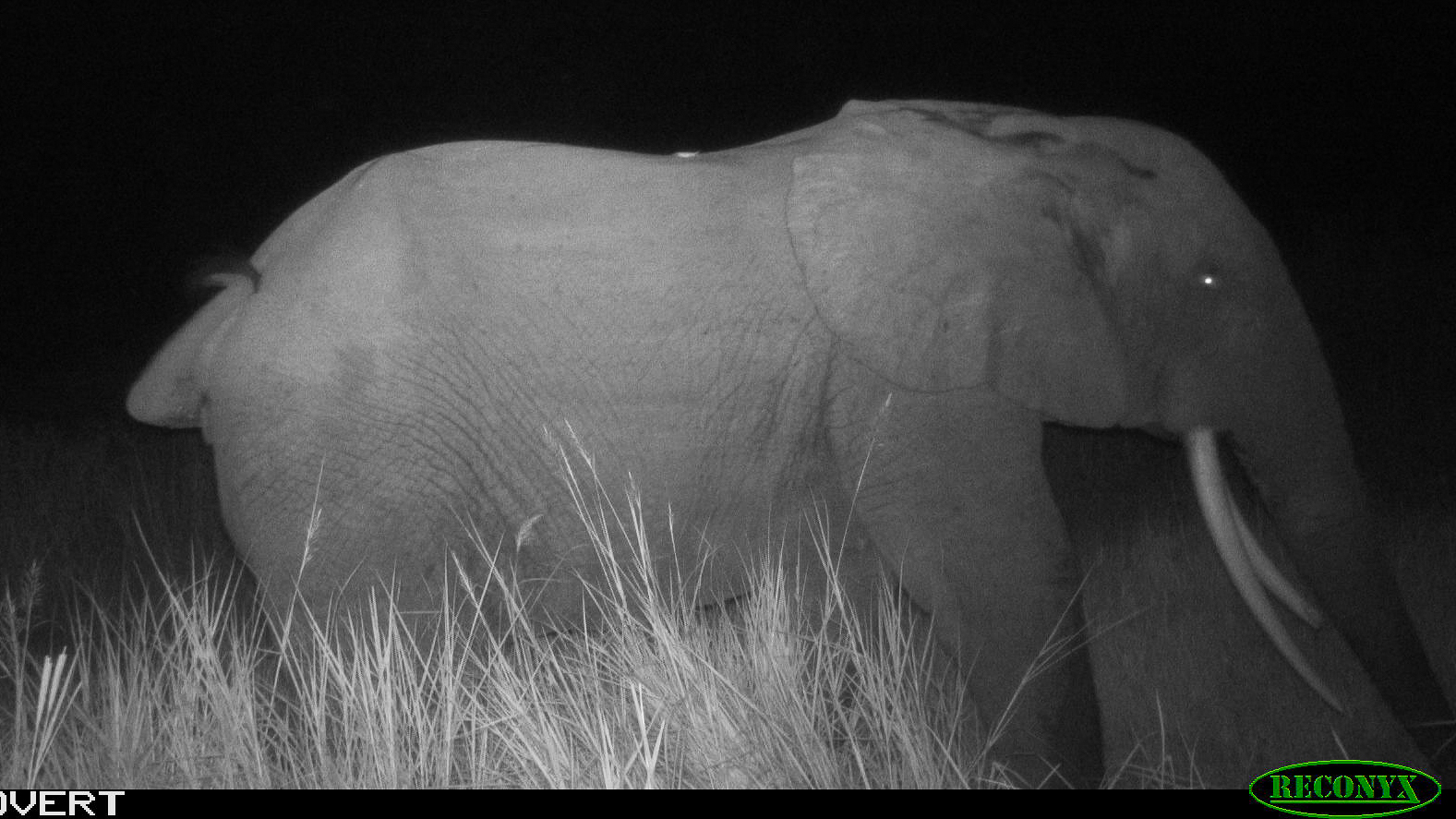
A camera trap image of a forest elephant in Northwest Angola © Kissama Foundation
This significant new commitment builds directly on the generosity of ECF supporters. Last year they responded to an urgent appeal, raising more than $390,000. A small part of this was used for ECF partner, Mozambique Wildlife Alliance, to visit Project Nzau in early 2026 and share ideas from their established HEC program, to help identify coexistence priorities. That groundwork has paved the way for an ambitious next phase, on which the remaining appeal funds will be used.
Project Nzau is led by the Kissama Foundation, a highly capable and motivated local NGO, supported by an internationally respected academic partner, BIOPOLIS. The new USD1.2M three-year grant will allow implementation of a potentially transformative series of activities. This ambitious project is led by Pedro Vaz Pinto – the Angolan conservationist – and project coordinator, Ninda Baptista, an Angolan biologist. Together with an expanded team, they plan to scale work from three provinces to all eight Angolan provinces where forest elephants may still survive. This will include working with different provincial governments and in close collaboration with the National Institute for Biodiversity and Conservation Areas (INBAC).
Funds will support a new human–elephant coexistence field centre, implementation of a coexistence programme to help communities to deter elephants from raiding crops, expansion of the elephant guardian initiative, GPS collaring of elephants to map movement and conflict hotspots, genetic analysis to produce the first robust population baseline, and national awareness campaigns to shift attitudes toward elephants. Many people living alongside them simply don’t yet know that killing elephants is illegal – a gap that targeted outreach can change.
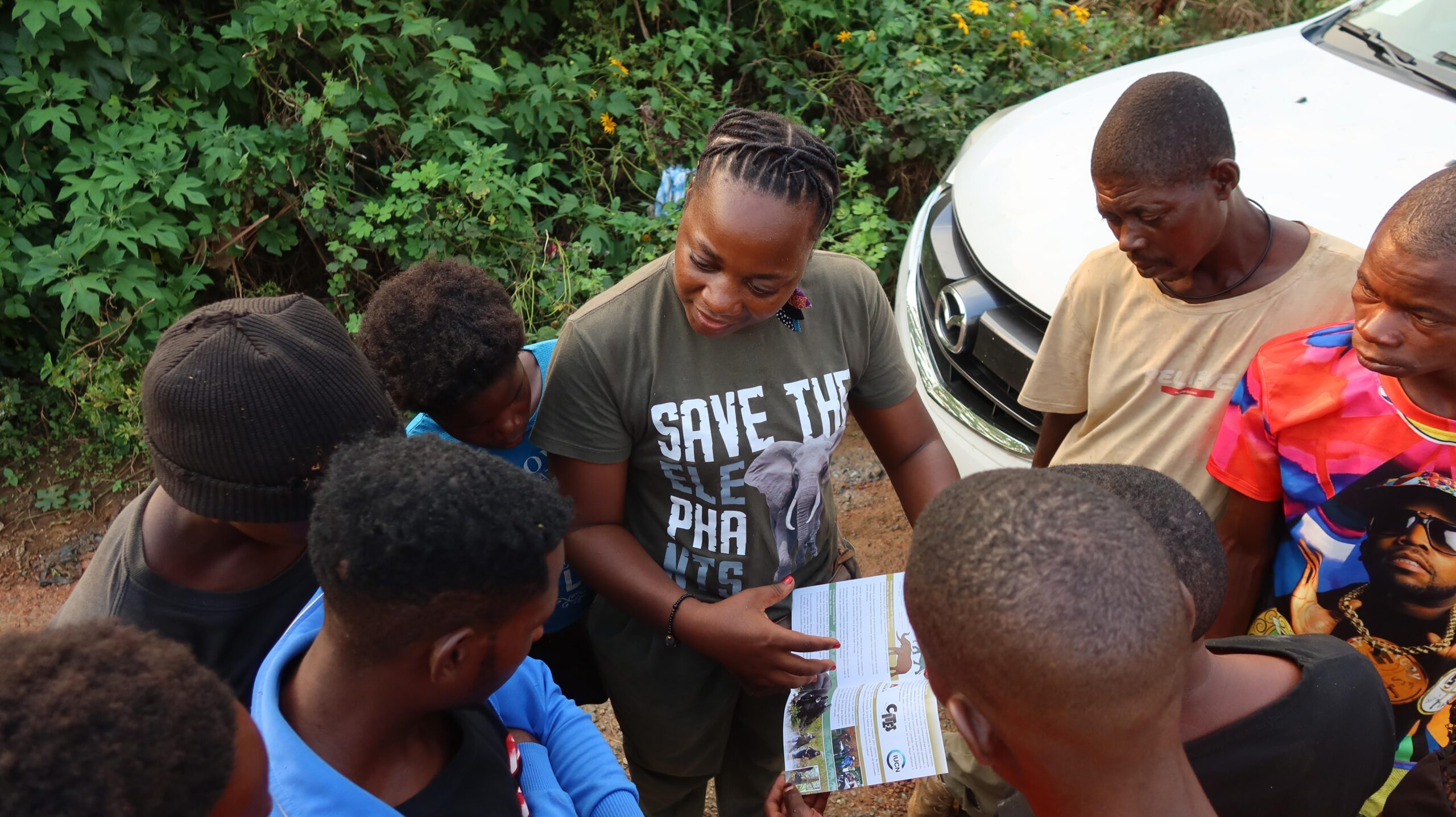
Community training by Kissama Foundation in Northwest Angola © Isilda Cavaleca/Kissama Foundation
“The Kissama team is exceptional,” says ECF Director Chris Thouless, who visited the project in 2025. “This is a high-risk, high-reward project. If it succeeds, it will be a turning point for Angola’s forest elephants – bringing them back from the brink.”
“We would like to sincerely thank ECF supporters for believing in our work,” says Ninda Baptista of Kissama Foundation. “Their continued support is essential for the protection of forest elephants.”
Saving these little-known elephants is a bold undertaking in a difficult landscape – but with the right partners on the ground and the support of donors, they finally have a real fighting chance.
Interested in supporting this project?
To find out more about the project and the elephants of Angola, read Chris Thouless’ report below
See the project in action in this film about Project Nzau