

After seven years of careful preparation, a remarkable moment has unfolded in northern Kenya. Working alongside the Kenya Wildlife Service, Sera Rhino Sanctuary, Reteti Elephant Sanctuary, and Lewa Wildlife Conservancy, our team recently helped guide 17 elephants – including a group of collared orphans we have been monitoring since their release into the rhino sanctuary – through an opening in the sanctuary fence and out into the wider wild. After years inside Sera’s 100 km² protective boundary, they were finally free to roam the vast landscapes they were born into.
The operation was a delicate undertaking. In the early hours of the morning, our aerial team flew from Buffalo Springs airstrip to locate the orphans, aged between 9 and 12, and the wild elephants they had come to call family. A fixed-wing aircraft began guiding the herd toward a gap in the northern boundary fence. When the Lewa helicopter joined later that morning, the team worked carefully to avoid distressing the young calves travelling with them. By the end of the day, the elephants had crossed from the sanctuary into the wild.
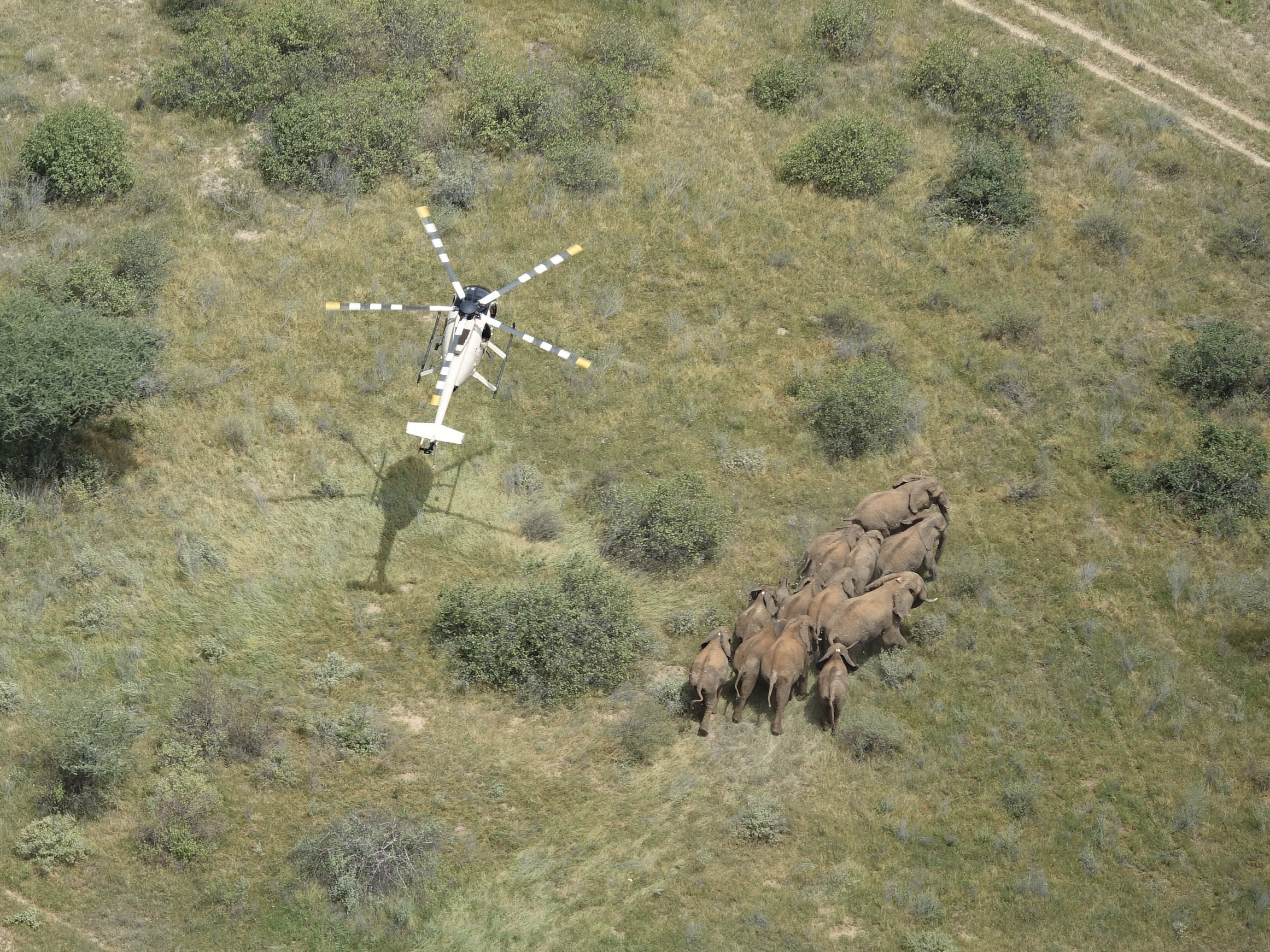
David Daballen, Save the Elephants’ Head of Field Operations said: “The success of an operation like this comes down to being able to read the elephants’ behaviour – something our researchers have spent years studying. Elephants are intelligent animals and will quickly get used to disturbance if pushed over long distances. Due to their sheer size it is important to minimise the distance over which you drive them. That deep understanding is what allowed us to move the herd with such care.”
The story of the release began in 2019, when the first of three cohorts of hand-reared orphans from Reteti were moved into the fenced Sera Rhino Sanctuary as a stepping stone toward freedom. In collaboration with San Diego Zoo Wildlife Alliance, Save the Elephants deployed tracking collars, two local scouts and, with camera traps and a drone, followed every step as the orphans formed relationships with wild herds and located water points – all with minimal human interaction, to maximise their chances in the wild.
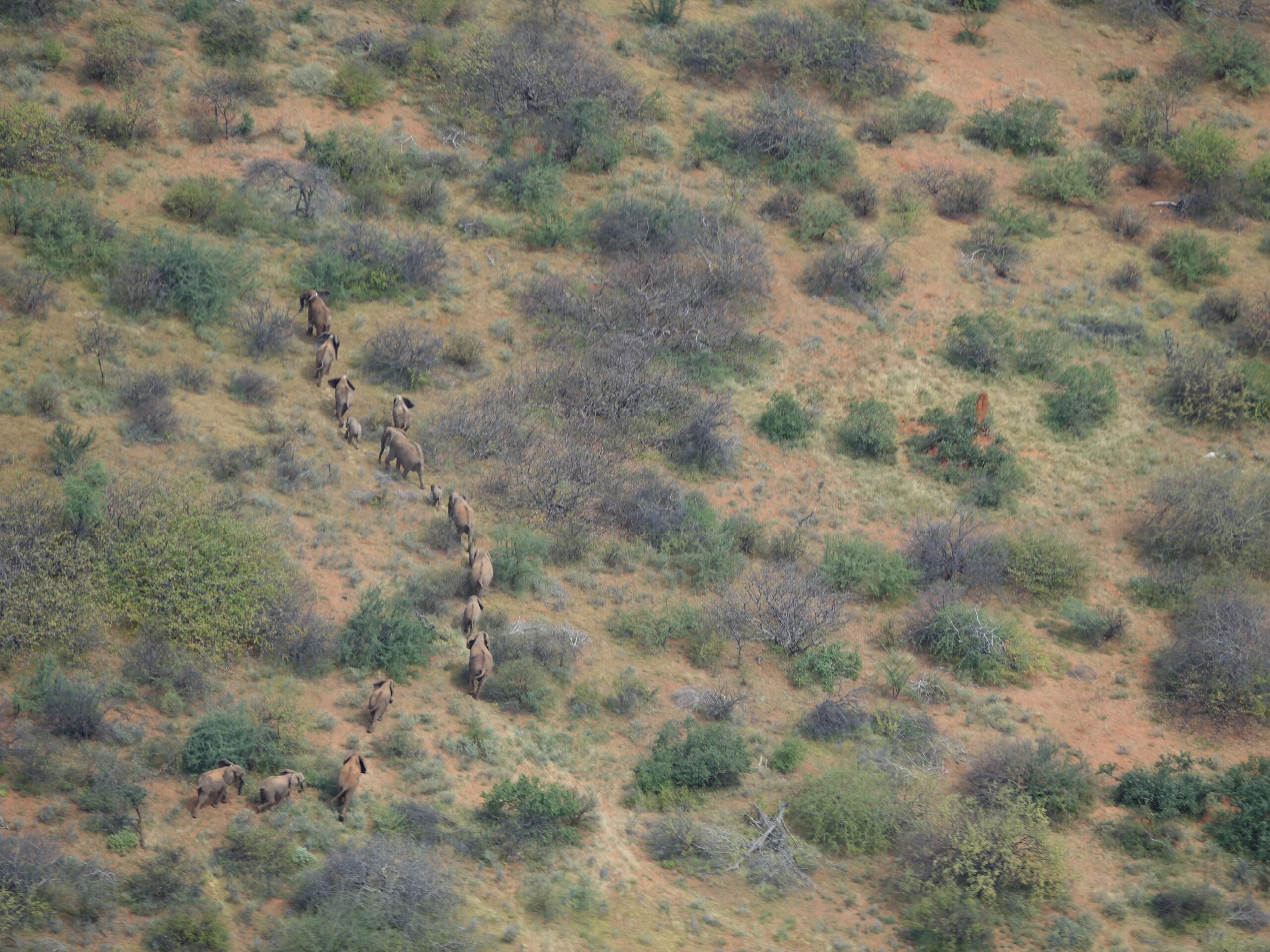
The tracking data told a compelling story. The orphans’ range overlapped significantly with Sera’s wild elephant population – they shared watering holes, kept close physical proximity, and quickly learned to mirror wild elephant behaviour, fleeing from threats and avoiding people. Last year, our team trekked on foot through thick bush to refit the collars – some orphans had integrated so thoroughly they could no longer be approached by vehicle. A quiet sign of how far they had come.
Save the Elephants’ CEO Frank Pope says: “Decades of tracking elephants in the wild has helped us understand what we were seeing – orphans finding their feet, integrating with wild herds, learning the landscape. Now, thanks to the work of Reteti, Sera, KWS and others, they’ve taken the next step. We wish them well, and will be following their fortunes to help guide future efforts to return orphaned elephants to the wild.”
And the story is still unfolding. Tracking data shows that one orphan, Warges, has already struck out on an extraordinary journey – most likely with the wild herd – heading toward the Matthew’s Range, home to Reteti Elephant Sanctuary and the very hills where he was originally found.
Photos by David Daballen / Save the Elephants