Story: Drones Reveal the Sleeping Patterns of Wild Elephants
As it turns out, even giants need their rest. For years, scientists assumed wild elephants barely slept.
 © Jane Wynyard
For over 30 years, STE’s understanding of elephants has been built on the ground and from the air, through collars, tracking data, aerial patrols, and thousands of hours of patient observation. Today, drones are adding a new and closer view from above.
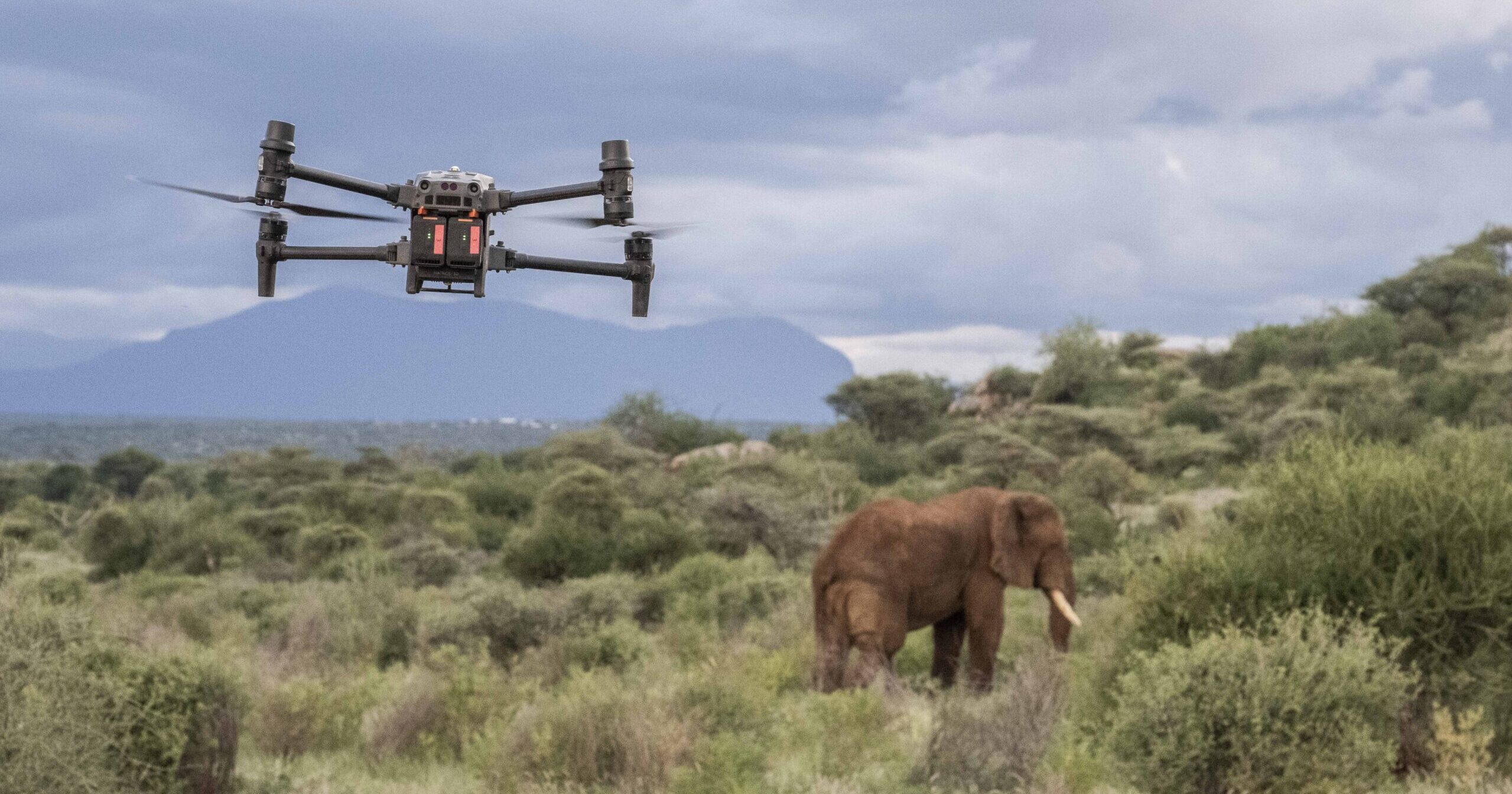
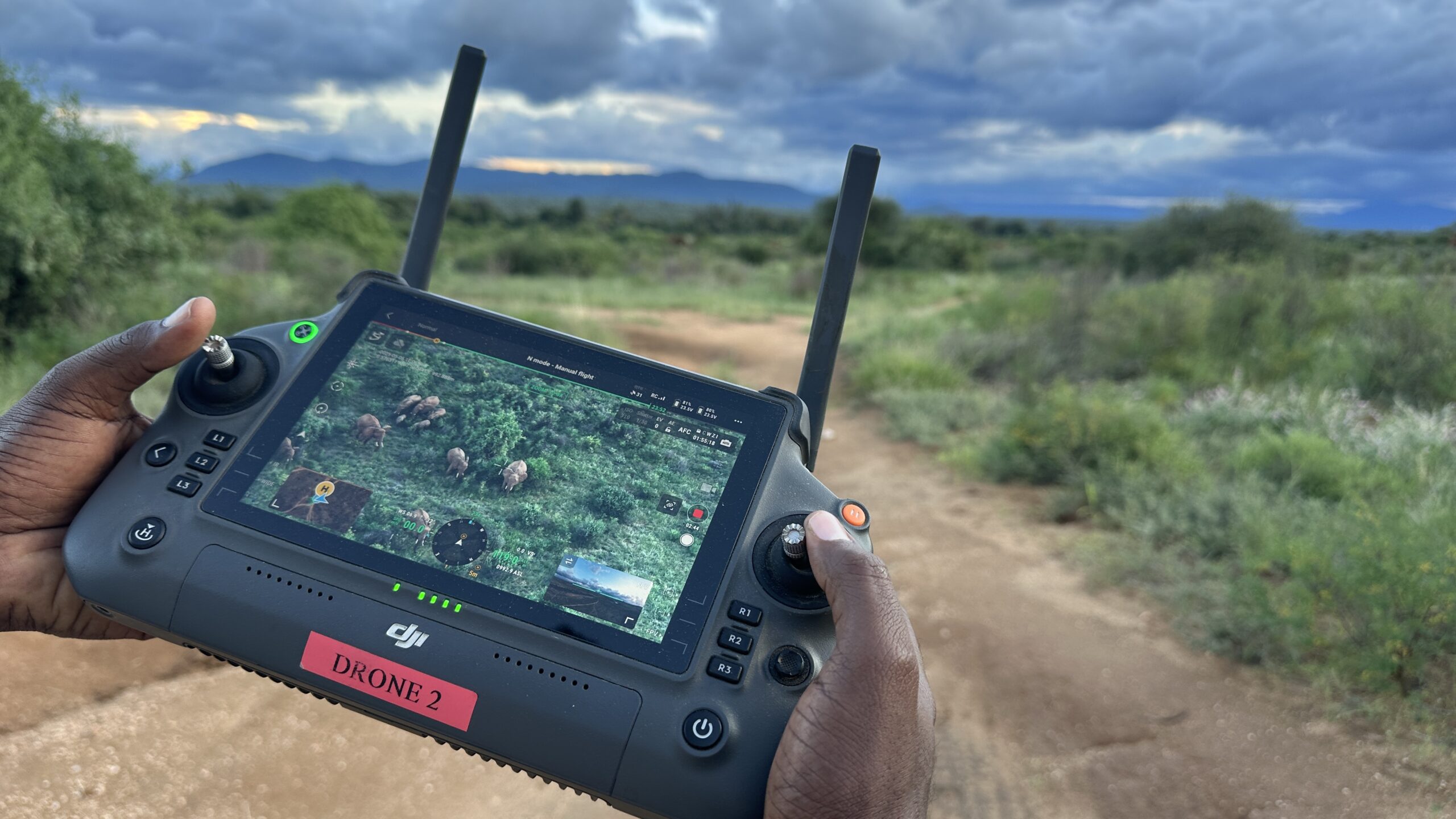
Our aerial patrols have long helped us keep watch over elephants and the landscapes they depend on. Save the Elephants’ Drone Project builds on that experience, exploring what drone technology can reveal about elephants that neither ground-based research nor patrol flights can capture. Flown high and carefully above Samburu, drones give researchers a quiet, non-invasive vantage point from which to observe elephant families as they move, interact, and rest, without disrupting the behaviour being studied.
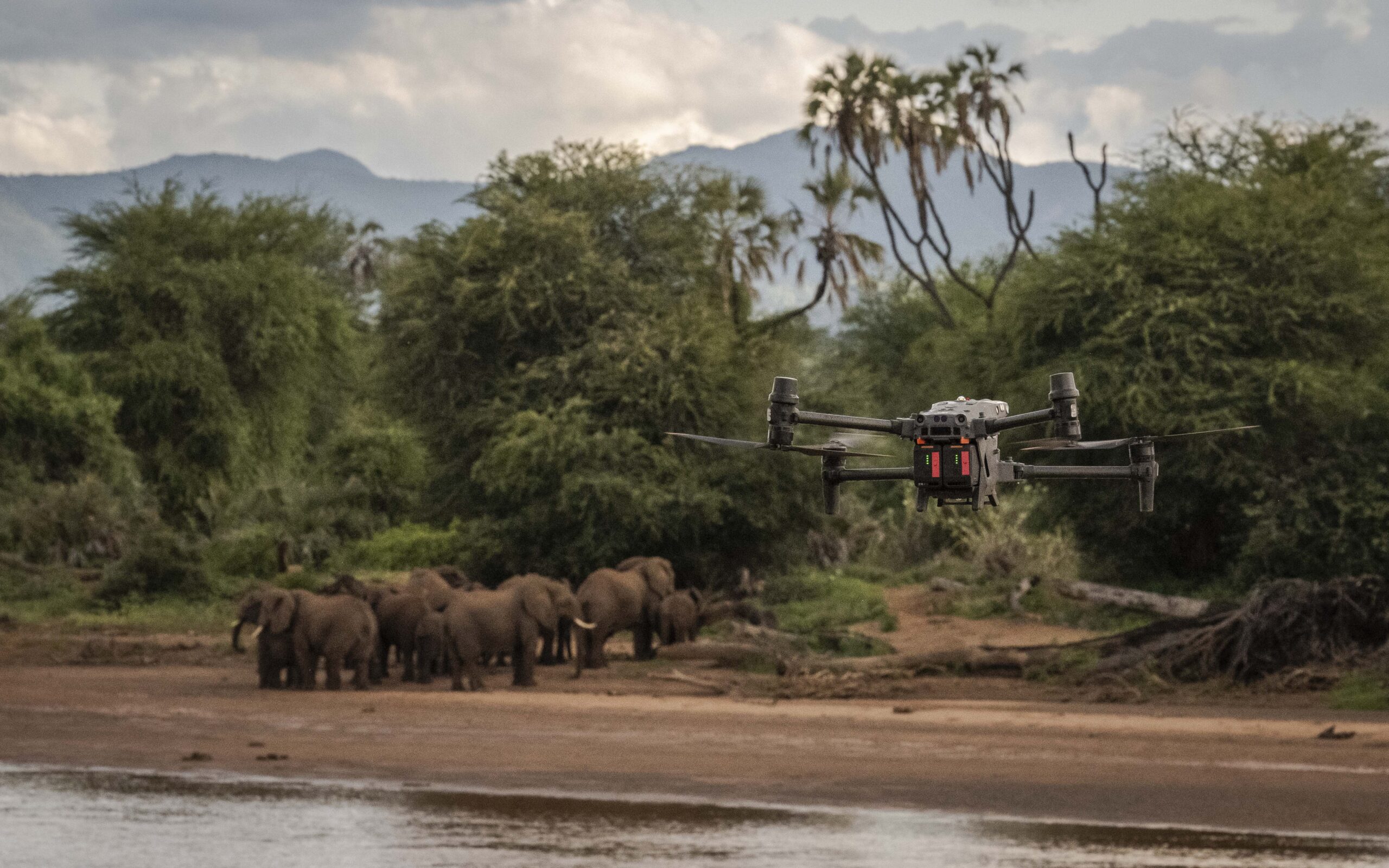
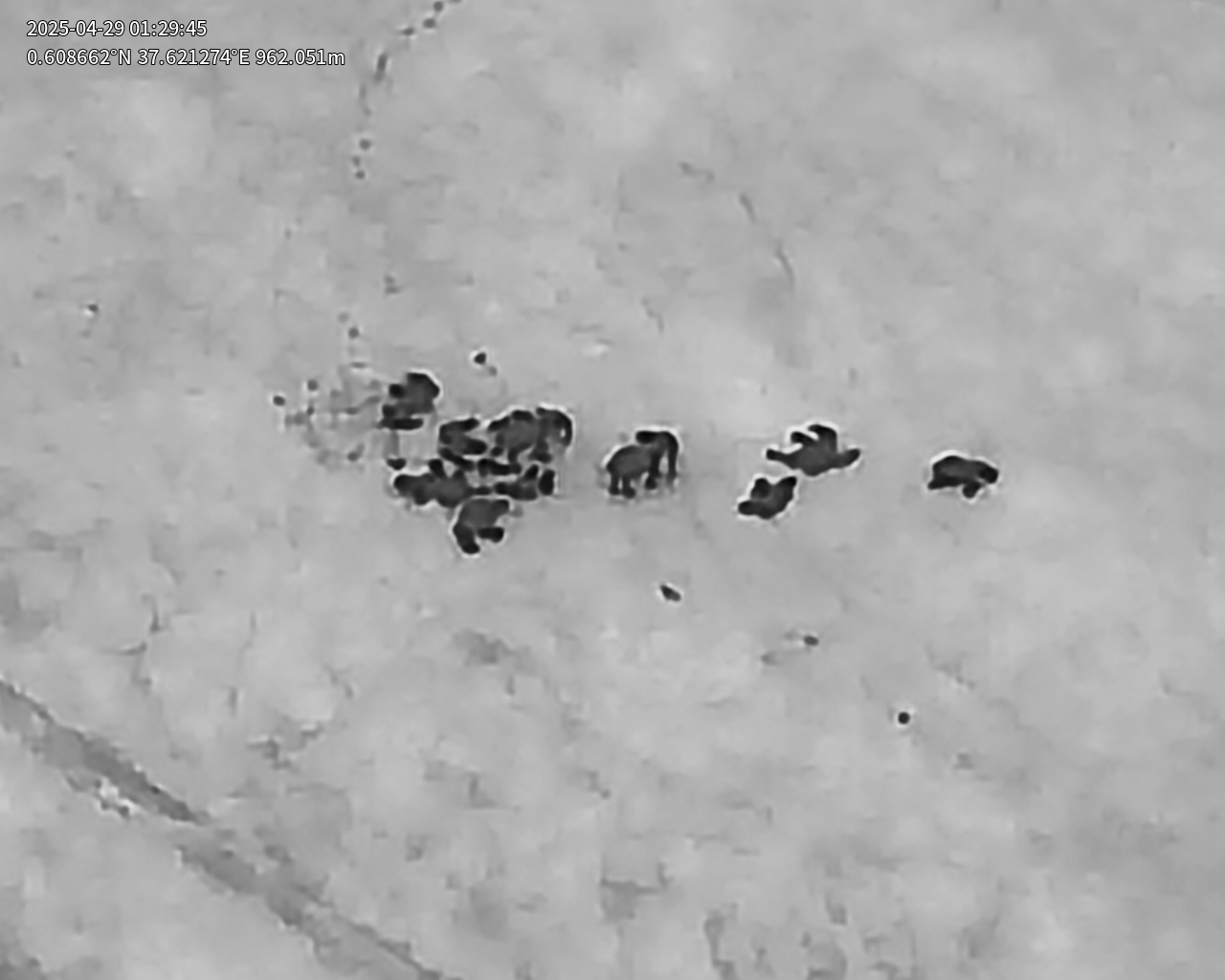
This perspective opens up new avenues of research. It allows the STE team to study social dynamics within elephant families, follow movement across the landscape in far greater detail, and, thanks to infrared cameras, observe elephant behaviour after dark, a side of elephant life that has long been largely out of reach.
As the project develops, it is beginning to reshape what’s understood about elephants, from how they behave as a family unit to how they rest through the night.
As it turns out, even giants need their rest. For years, scientists assumed wild elephants barely slept.
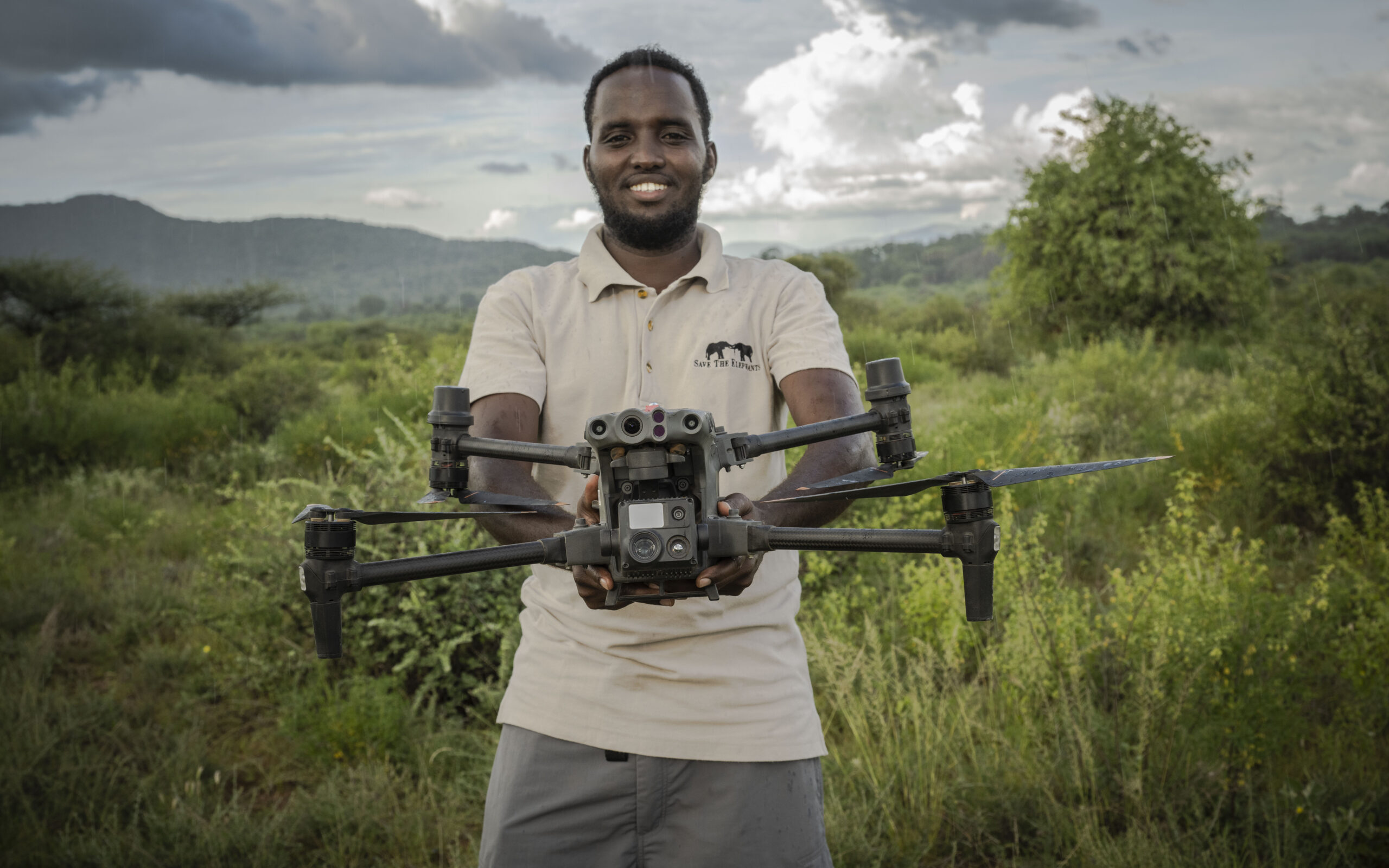
A new study by Save the Elephants (STE) and the University of Oxford shows that drones, when flown high and carefully, can be powerful and non-invasive tools for monitoring wild elephant families.