Perhaps no single issue will shape the future of elephants across Africa more than the intersection of a growing human population, a changing climate, and the steady fragmentation of the wild spaces elephants depend on. It is likely to be one of the hardest threats to overcome over the next five decades, and one that plays out not in a remote wilderness, but at the doorsteps of the people who share that land.
In visiting communities across some of the continent’s worst human-elephant conflict hotspots, STE has repeatedly encountered a similar gap: farmers who are raided night after night, often without so much as a simple fence to stand between them and a hungry herd. What’s needed isn’t just sympathy for their situation, but practical knowledge and tools that empower farmers to protect their land and livelihoods.
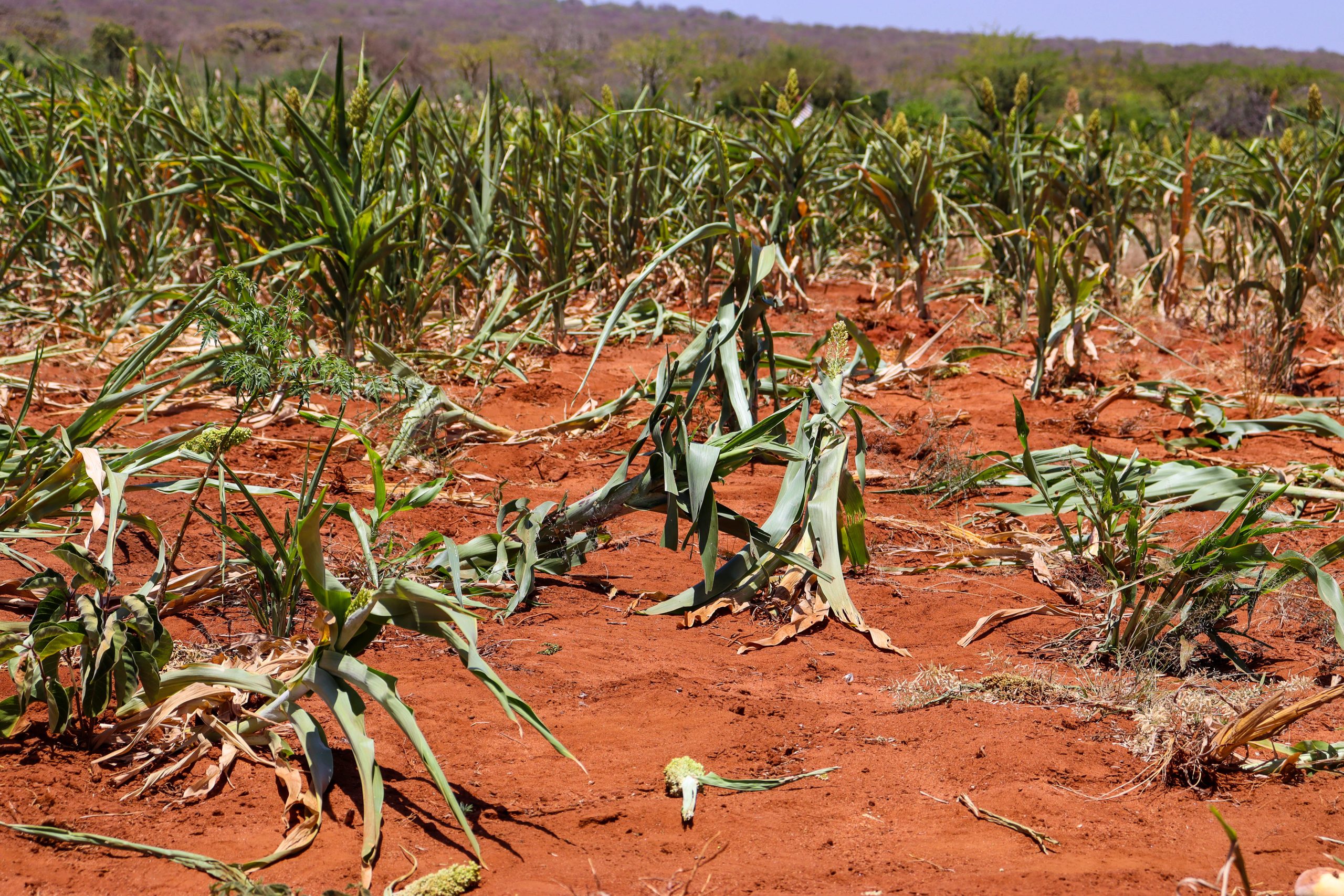
Damaged crops in Sagalla, Tsavo © Meha Kumar/Save the Elephants
The Human-Elephant Coexistence Toolbox exists to close that gap. Developed from years of research and fieldwork, it draws together the growing range of solutions STE and its partners have tried and tested, from beehive fences to non-palatable crops like chillies and sesame, planted as natural shields for the crops elephants do want to eat, alongside simpler measures like metal strip fences and bright, flashing lights. Compiled into one accessible, DIY-friendly resource, the toolbox is designed to put these solutions directly into farmers’ hands.
That knowledge is only as useful as the people trained to pass it on, which is why STE also runs a Training of Trainers Programme, equipping representatives from affected communities with the skills to teach the toolbox’s methods across their communities, turning a single training session into a growing, community-led network of coexistence expertise.
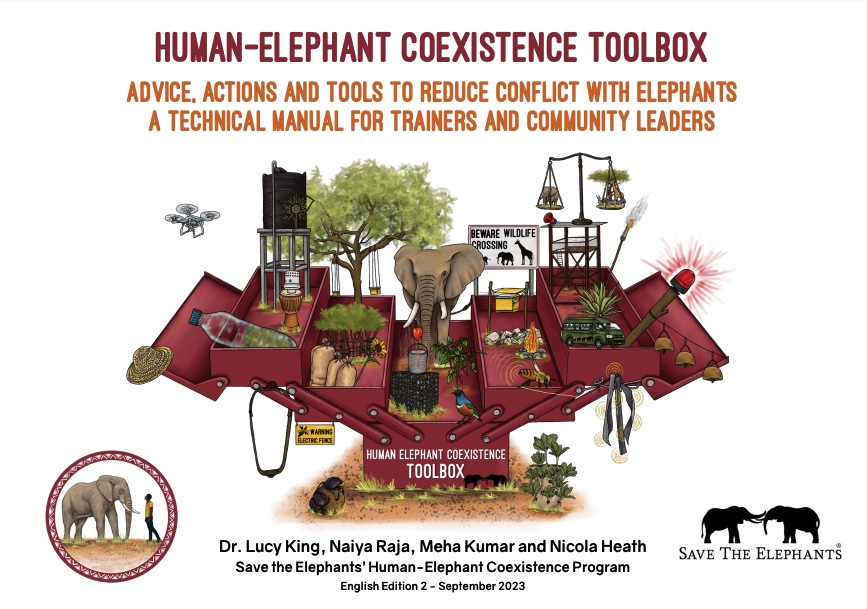
To access the Human-Elephant Coexistence toolbox, click here.