


As elephant populations recover across parts of Africa, they are increasingly sharing land with the people who farm and graze it, and it is here, at the boundary between the two, that Save the Elephants’ conflict prevention work begins. STE’s approach combines technology, community engagement, and rapid, hands-on support to reduce human-elephant conflict before it escalates.
STE’s earliest work in this space began with tracking known, notorious individuals, using GPS collars and geofencing to alert farmers the moment a collared elephant crossed into farmland, giving communities time to act before any damage was done. But lone bulls are only part of the picture, and STE’s approach has since grown to address conflict at every level, from the individual elephant to the wider landscape it moves through.
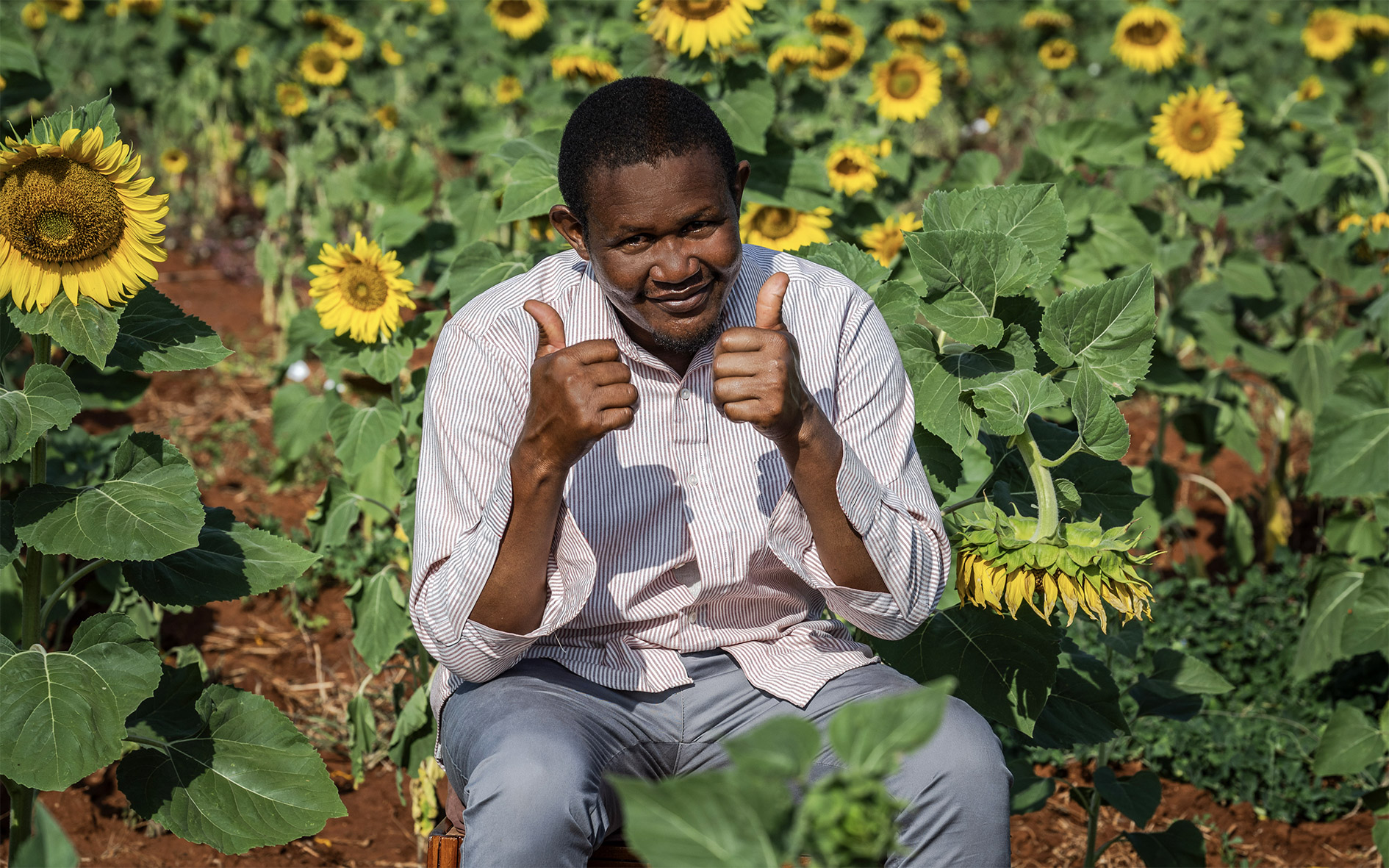
That work now branches in two directions. In Tsavo, where crop-raiding by hungry herds is the dominant challenge, STE’s focus turns to prevention through Alternative Livelihoods, helping farmers protect their fields while turning the presence of elephants into a source of income rather than loss.
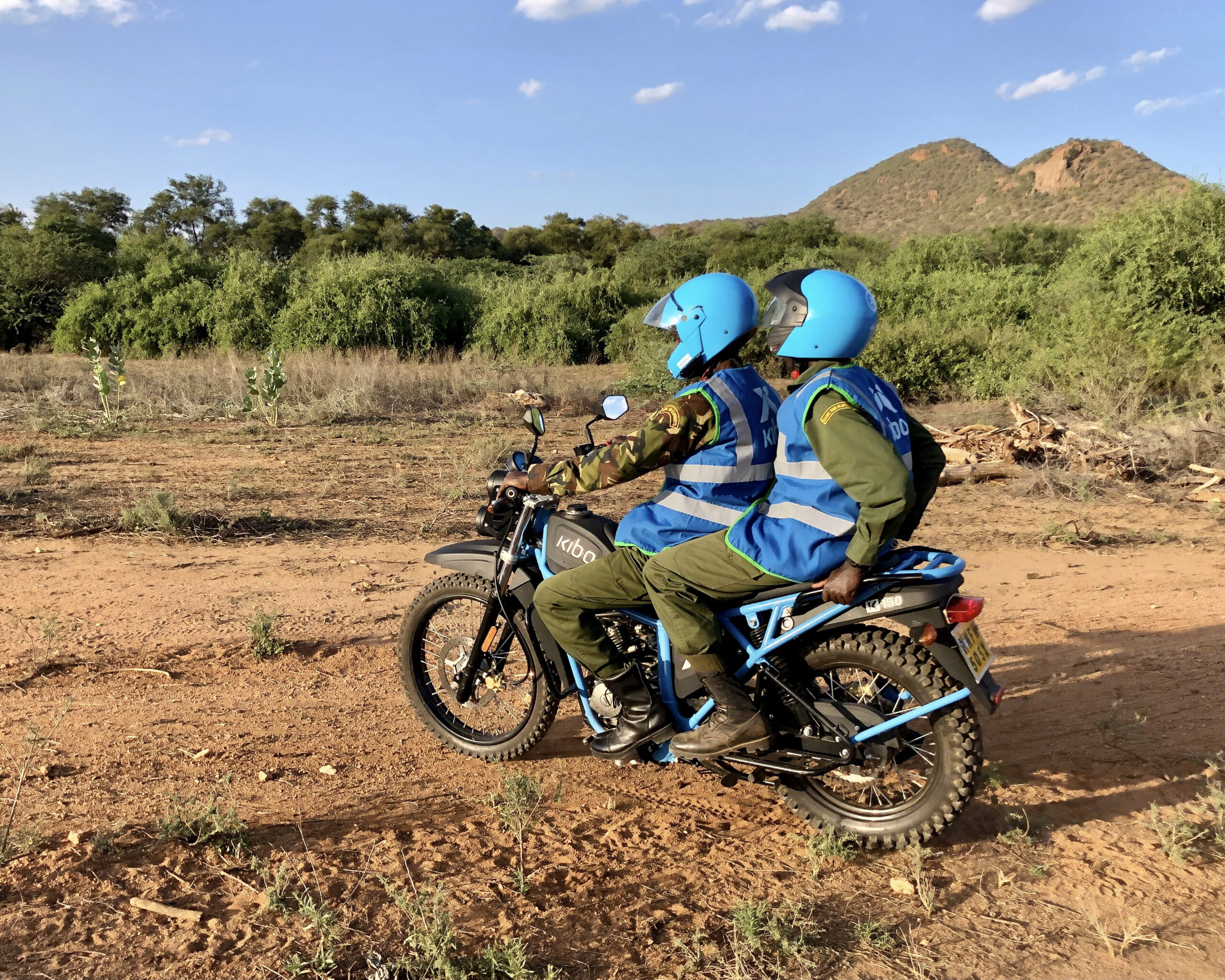
In Samburu, where conflict often stems from the more complex clash between pastoralist communities and elephants, STE’s Rapid Response Unit provides trained, on-the-ground support to de-escalate tense situations as they happen, working directly with communities to prevent conflict from turning fatal for either species.
Different landscapes call for different responses, but the goal behind each is the same: reducing conflict before it takes root, and building the kind of trust between people and elephants that allows both to thrive on shared land.