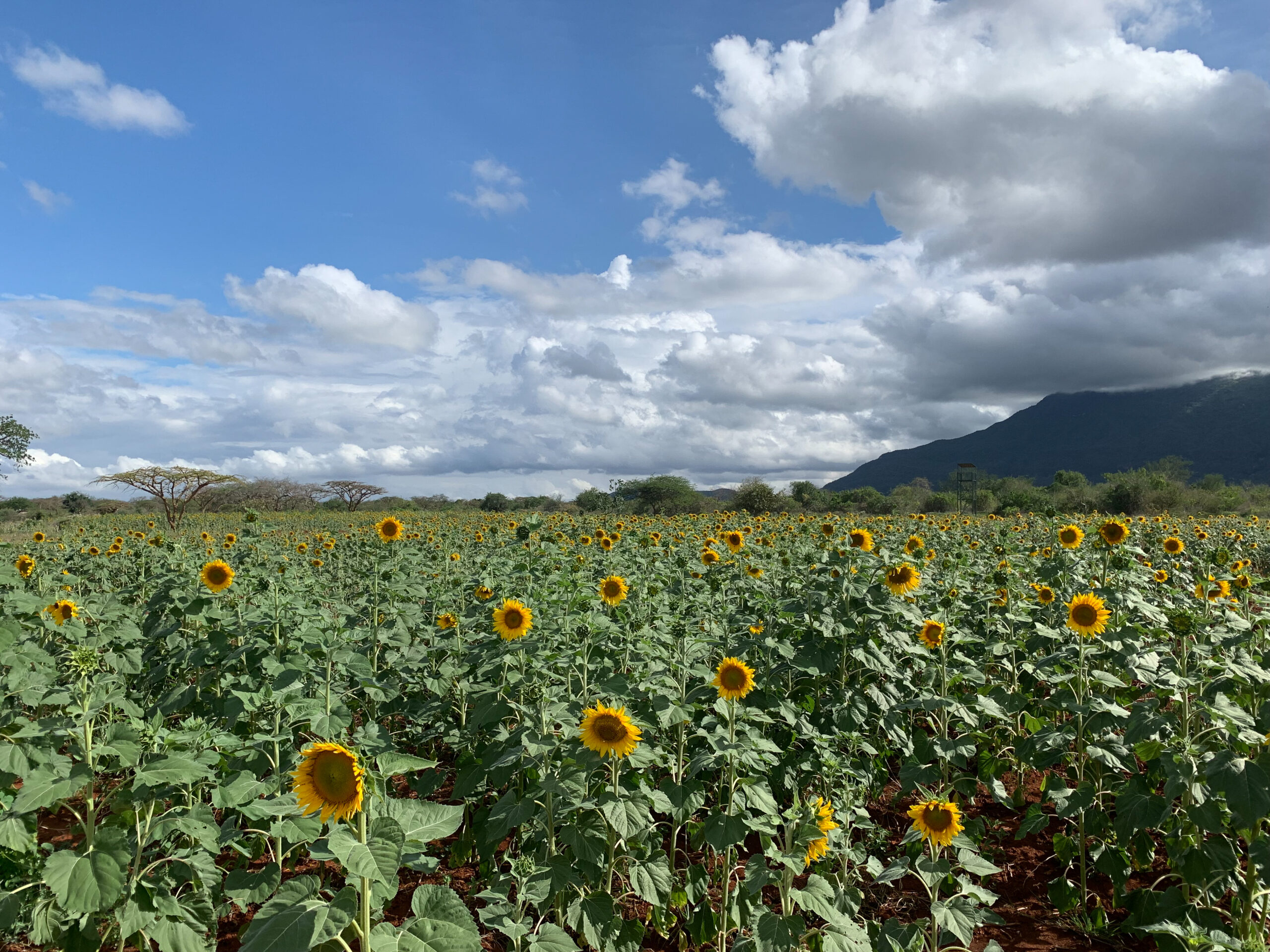
Elephants and the people who farm and graze this land are, more often than not, competing for the same space, and that competition is where much of Kenya’s human-elephant conflict begins. Save the Elephants’ alternative livelihoods work takes a different approach: rather than treating elephants purely as a threat to be kept out, it helps farming and pastoralist communities build livelihoods that can withstand, and even benefit from, living alongside them.
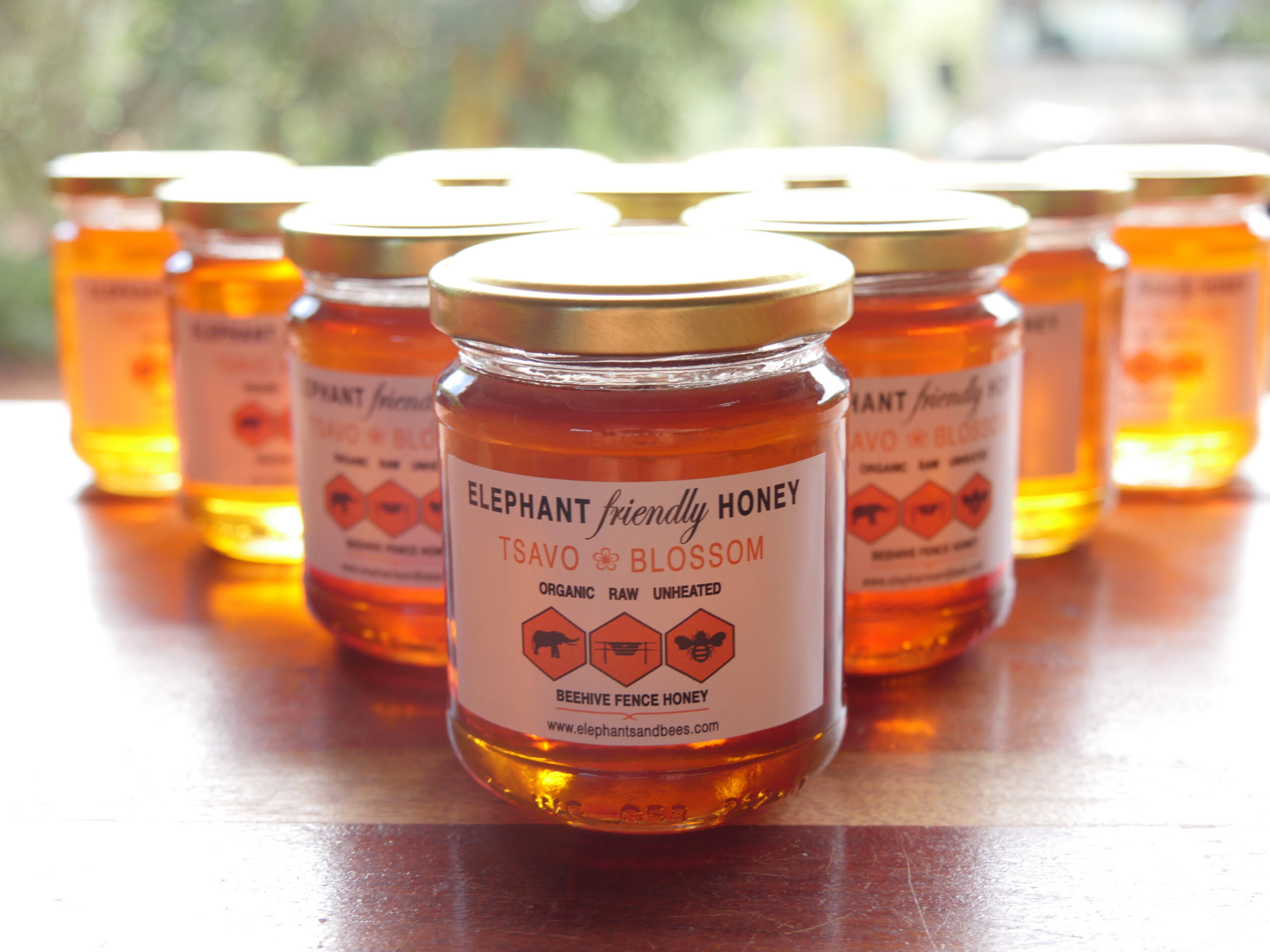
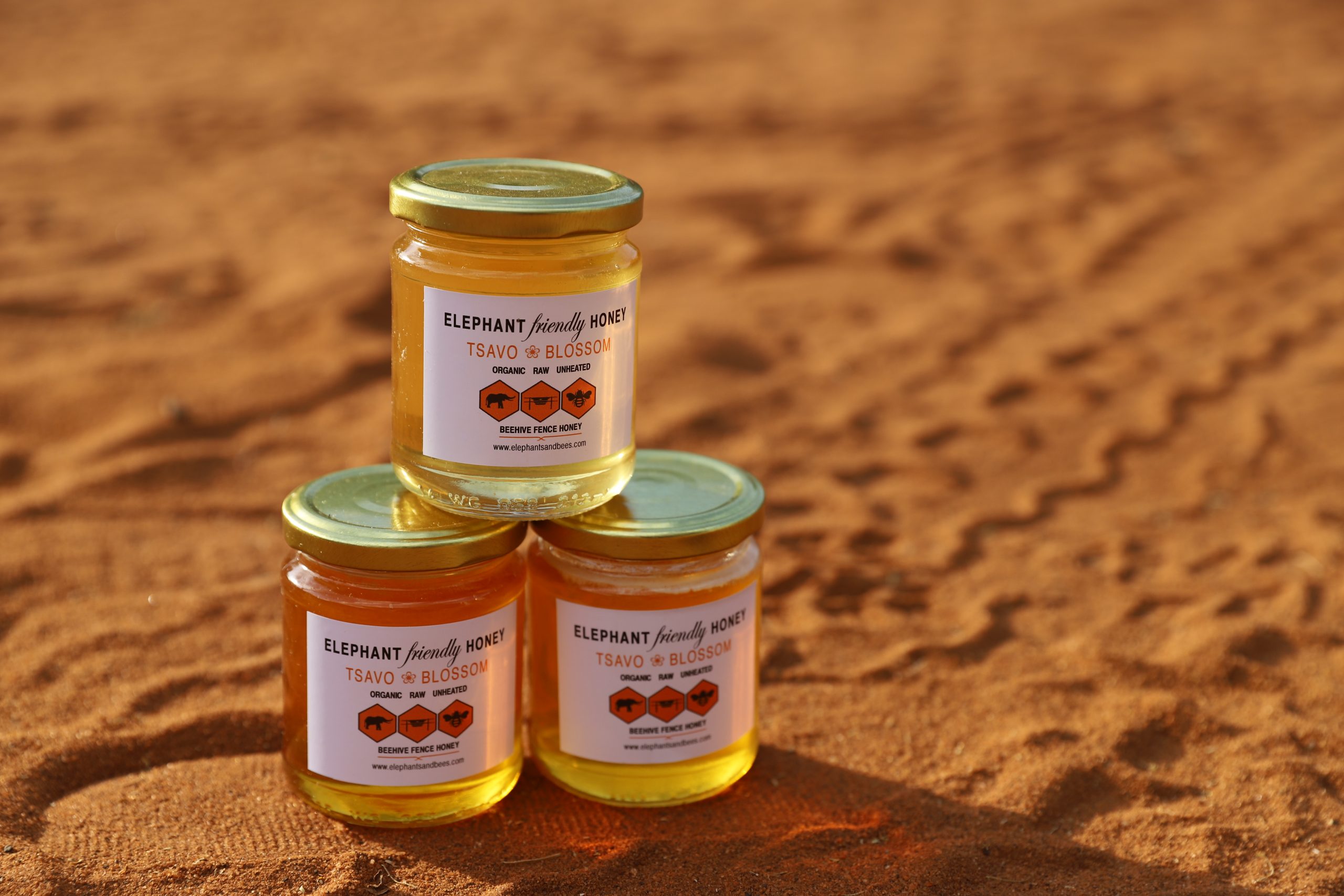
Much of this work began in Sagalla, Tsavo, with beekeeping. Elephants have a natural fear of bees, and STE’s beehive fences, first built there in 2009, turned that fear into a working deterrent. But the bees themselves soon became an opportunity of their own, and today STE’s Elephant-Friendly Honey work trains farmers in beekeeping and honey production, turning a conflict-prevention tool into a genuine, sustainable source of income for the community.
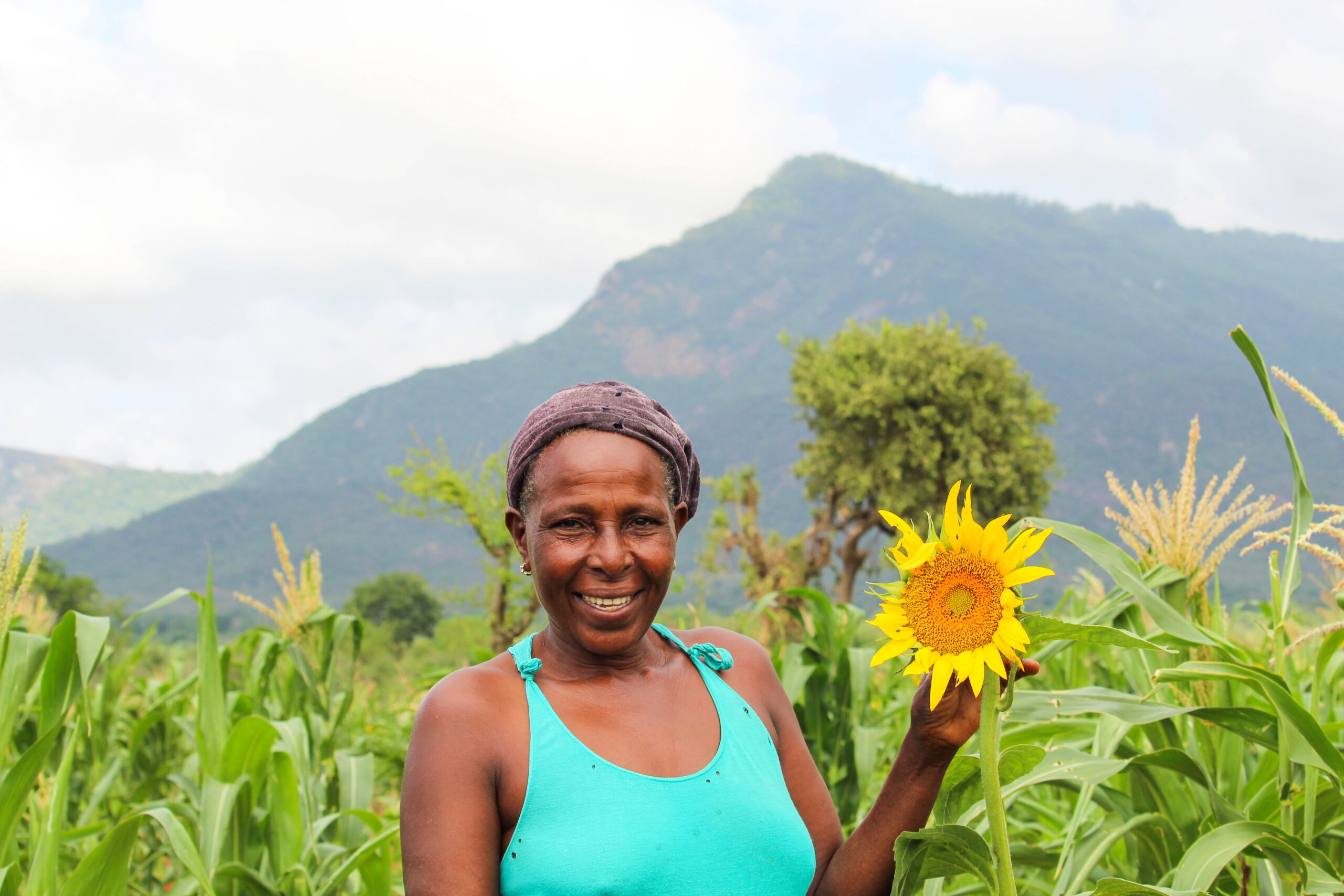
Alongside this, STE’s Conservation Agriculture work helps farming and grazing communities adopt more sustainable land practices and cultivate high-value crops that elephants have little interest in raiding, easing the pressure that pushes farms and grazing land further into elephant corridors.
As new challenges emerge across the landscapes where elephants and people share space, STE continues to explore additional ways to make coexistence not just bearable, but genuinely worthwhile for the communities living it.