 © Frank af Petersens
Conservation Education
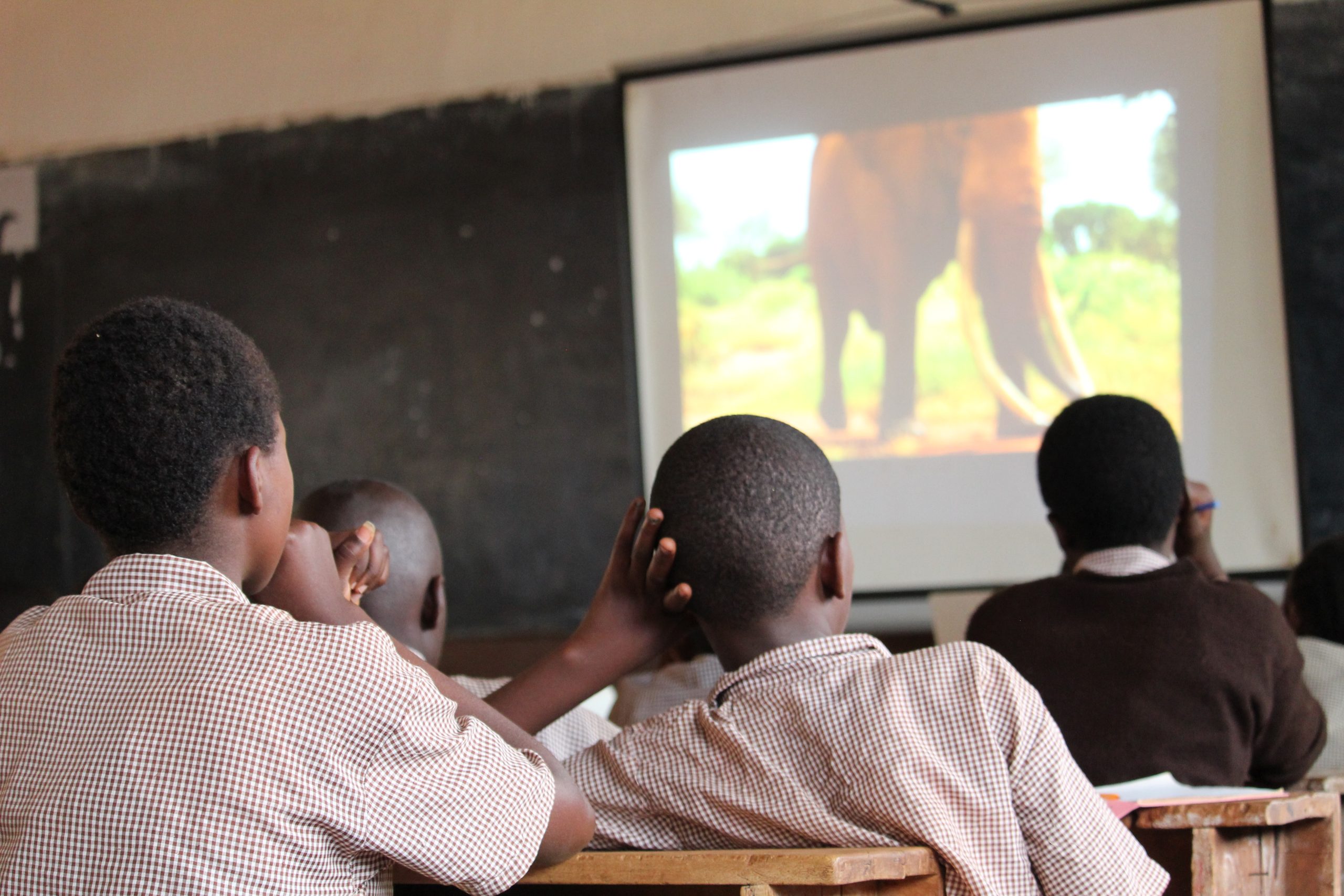
Save the Elephants’ coexistence outreach and education program works with over 20 schools across Samburu and Tsavo, all situated in conflict-prone areas or along elephant corridors. Through experiential learning safaris, outdoor learning and conservation films, the program equips young people with the knowledge and skills to build a lasting appreciation for and coexistence with elephants.
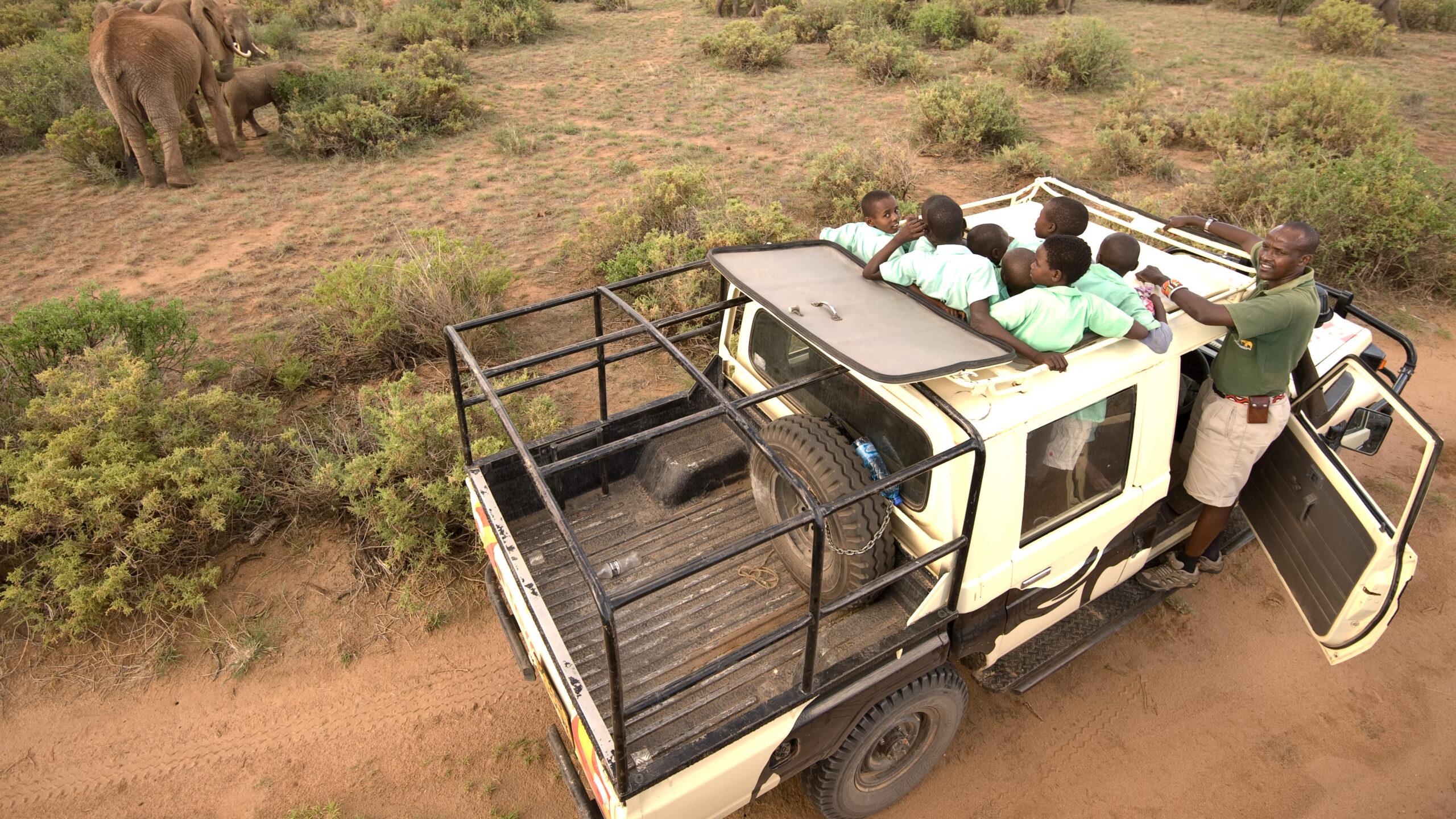
The educational game drives, hands-on lessons and films capture the imagination of children, connecting them to the environment and natural heritage around them. Through these methods, STE is able to engage children in the challenges elephants face and, in turn, build empathy for the wildlife they share the landscape with. These forms of practical learning encourage learners to become young custodians for their natural heritage rather than being passive observers.
Each school term, STE is able to work with wildlife club members in after-school programs where students take part in activities such as wildlife artwork, tree planting, and setting up permaculture gardens. These activities encourage students to connect directly to real conservation work right at school and within their backyards.
Central to this experience is STE’s after-school programme, which gives children the opportunity to visit Samburu and Tsavo National Parks. During the guided tour, members of the wildlife club from partner schools spend time with STE’s field researchers, engaging in discussions and questions that often help dispel the fears many students hold about wildlife. For students who have grown up alongside elephants, largely as a source of conflict, these guided encounters offer a unique chance to understand the animals from a place of curiosity rather than fear.
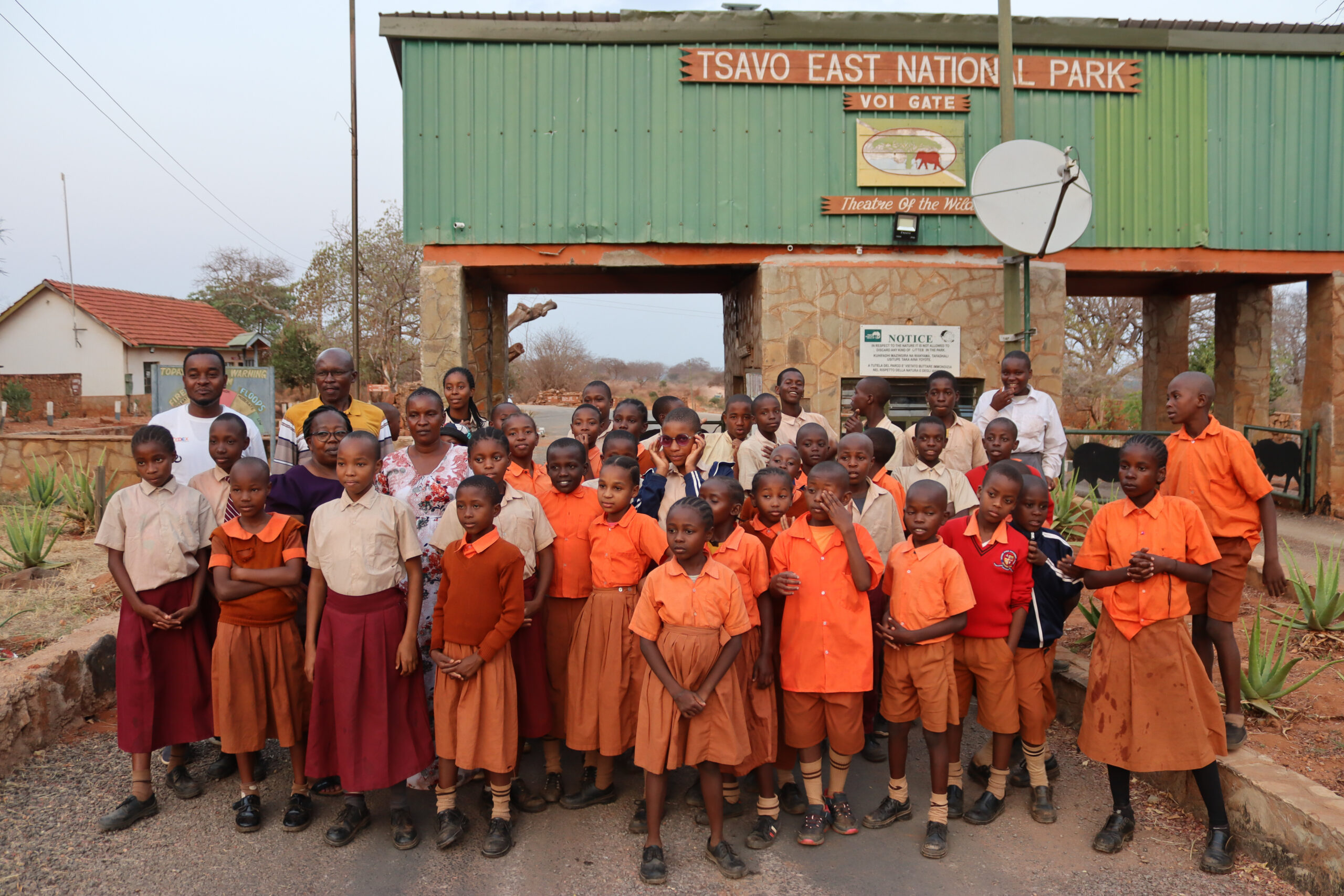
Together, these strands of conservation education plant an early seed of stewardship in students’ lives, one that STE continues to nurture as they grow, through scholarships, resource support, and internships that carry them from the classroom into conservation careers of their own.