

 © Frank af Petersens
Resource Support
As Save the Elephants engages students across Samburu and Tsavo in coexistence and conservation topics, we also recognise that learning depends on a supportive school environment. In underfunded partner schools, STE’s resource support work helps close that gap, ensuring students learn in an environment conducive to their success.
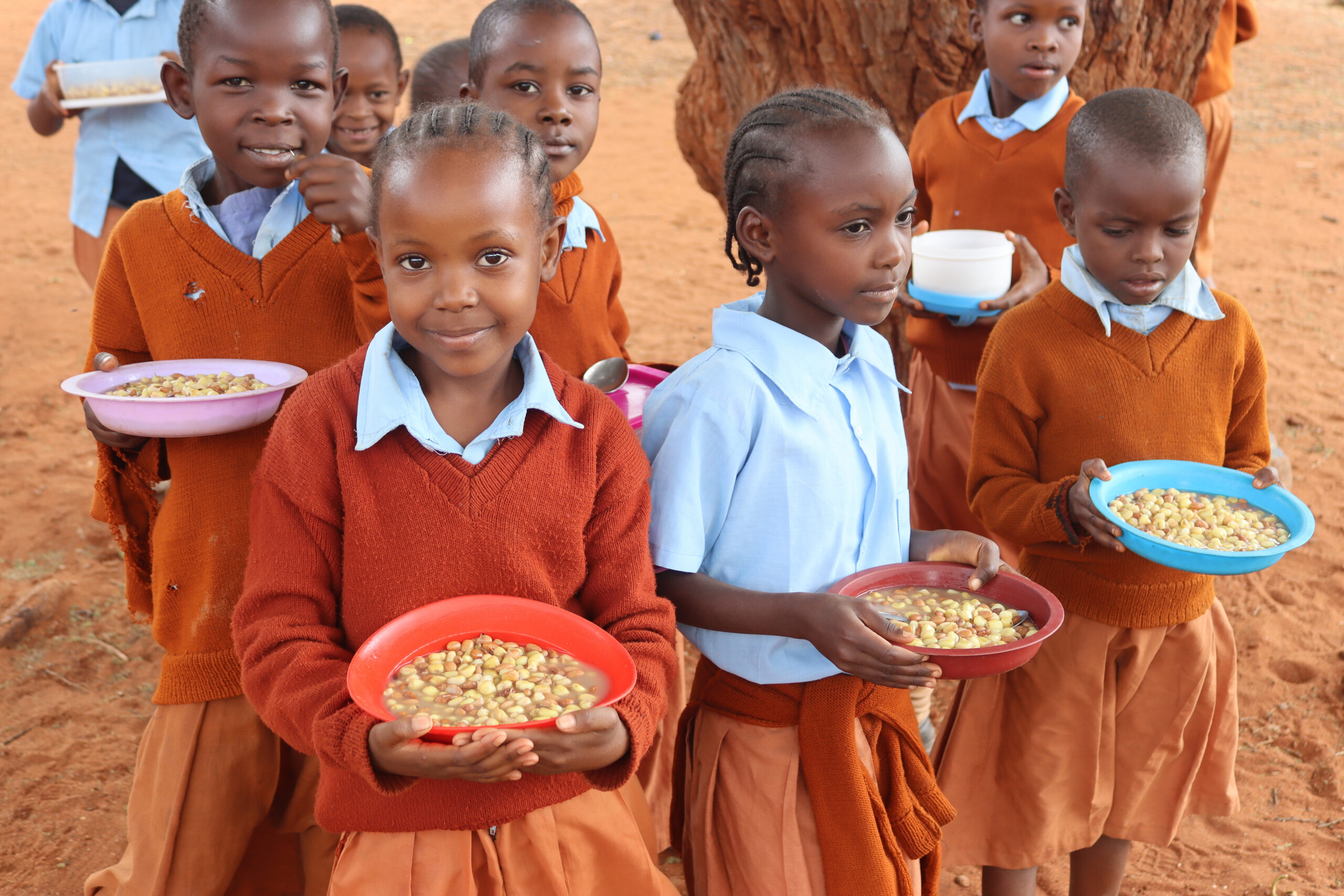
Prolonged drought and food insecurity are a recurring cause of empty classrooms across Samburu and Tsavo. For low-income families, a lack of food can shift attention away from school and toward daily survival. Since 2017, STE has delivered supplementary and emergency school lunches to address this gap. In 2022, a significant drought year, the program reached over 5,000 students across 19 schools, with the resulting nutrition having a direct, measurable impact of improved attendance and academic performance. The program has also served as an effective platform for engaging parents and the wider community on conflict challenges and their role in supporting coexistence with elephants.
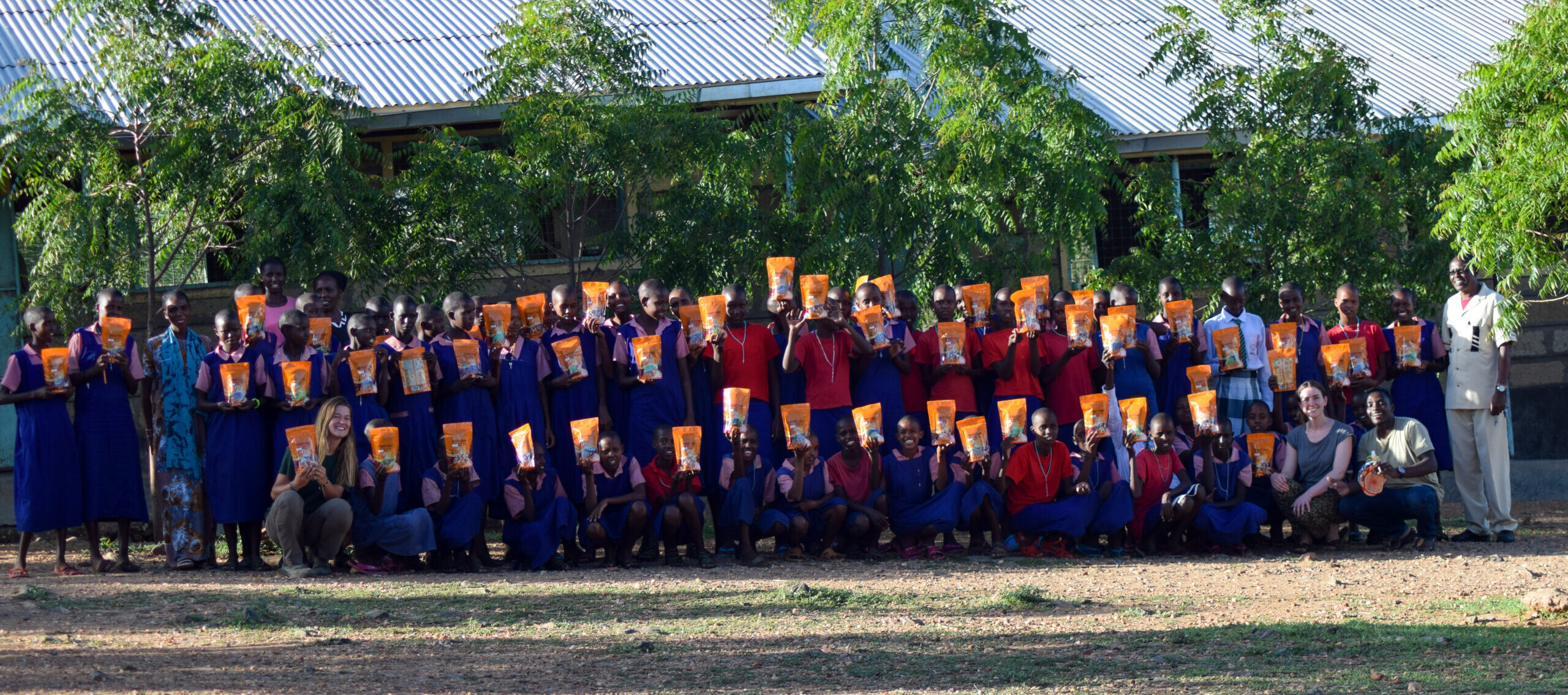
In addition to challenges of food safety, girls face an extra barrier to consistent school attendance. Period poverty is common in Samburu and Tsavo, and without adequate menstrual supplies, many girls miss several days of school each month. This recurring absence accumulates over time, reducing girls’ opportunities to advance their education relative to their classmates. STE has provided reusable menstrual kits to over 1,500 girls across our partner schools, and feedback from both girls and teachers points to improved menstrual health and better class attendance as a result.
Together, these interventions address the practical realities that determine whether learning can take place at all. By supporting school nutrition and girls’ health alongside our coexistence work, STE helps ensure that students across elephant rangelands have the stability they need to stay in school and succeed.

