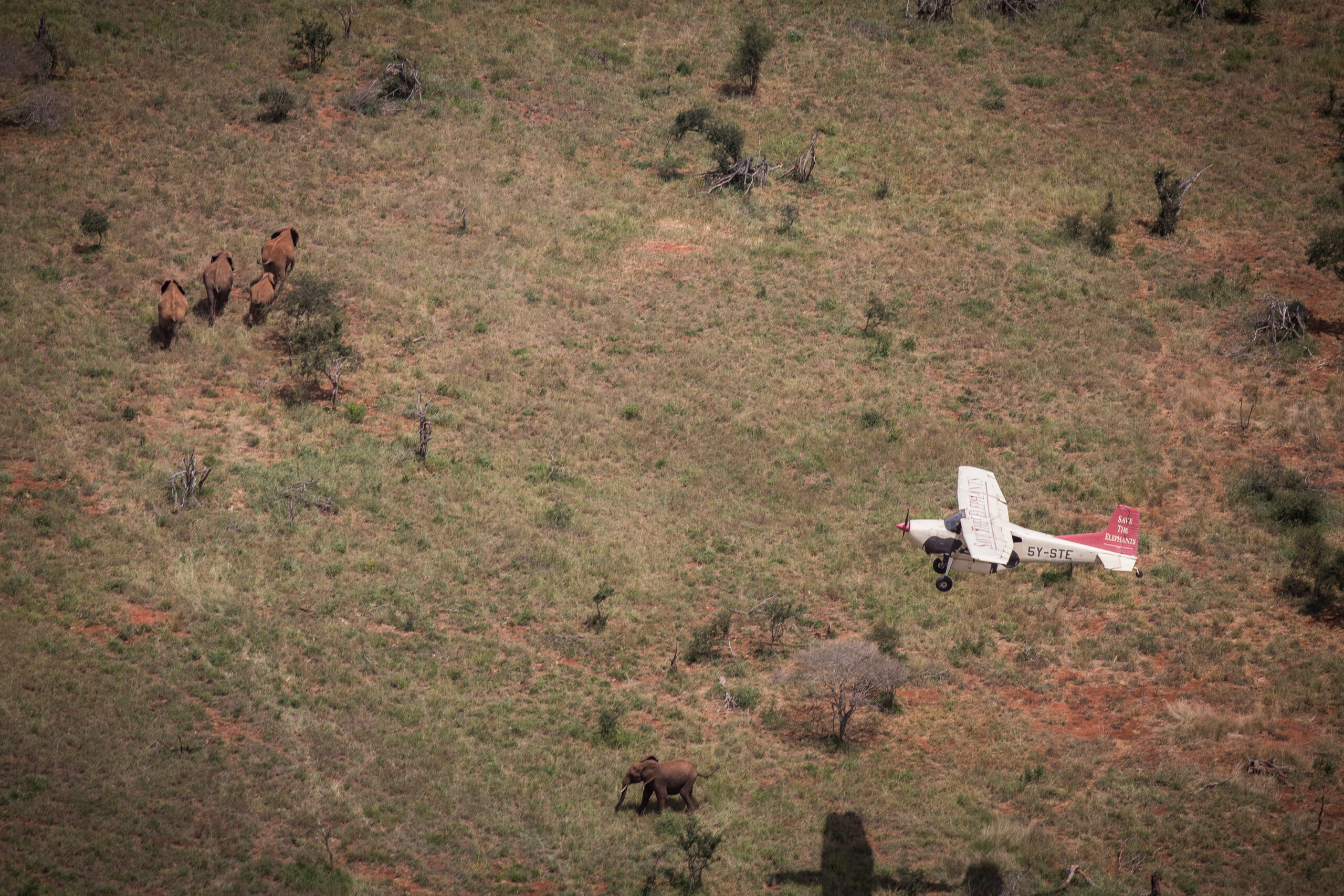
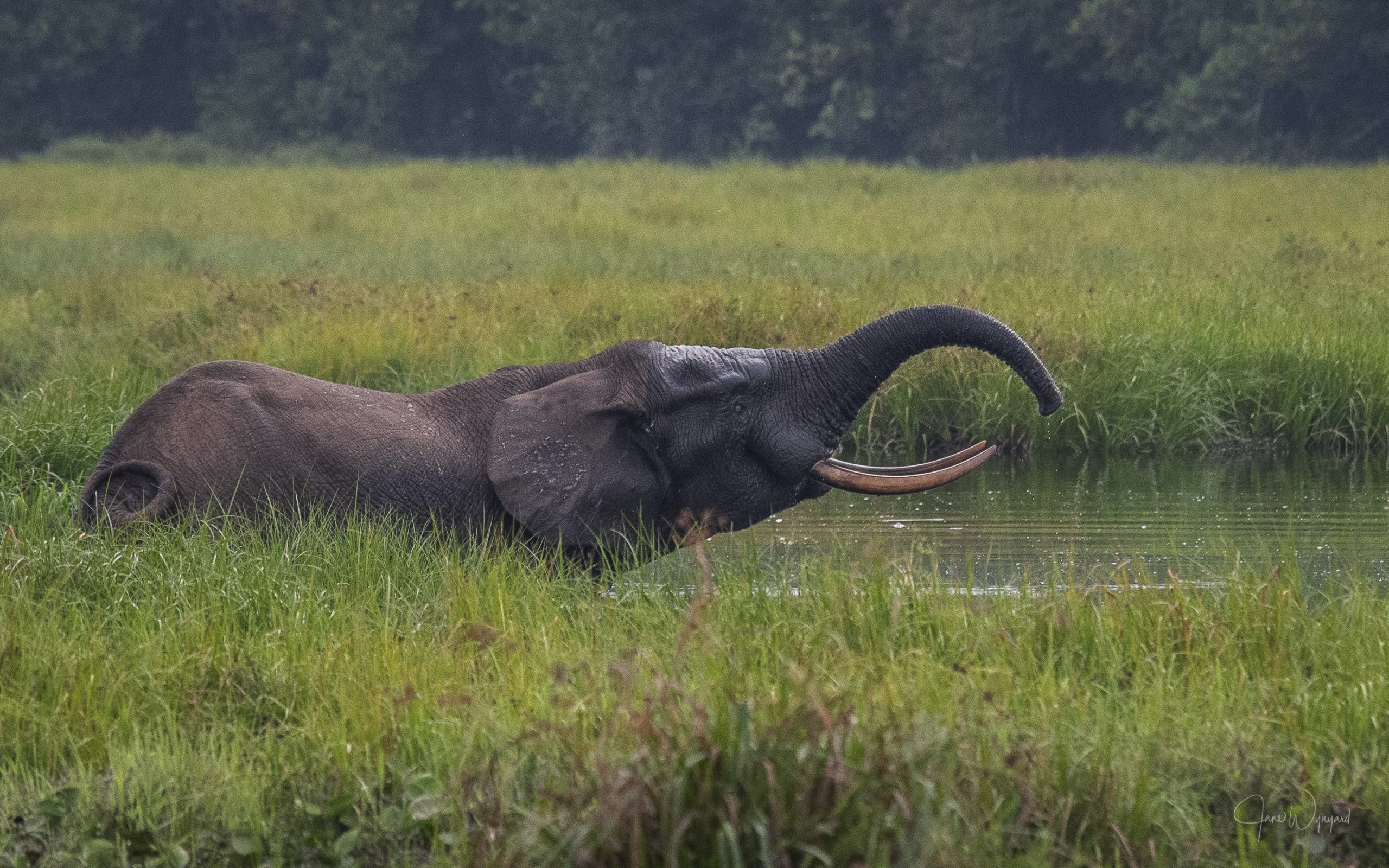
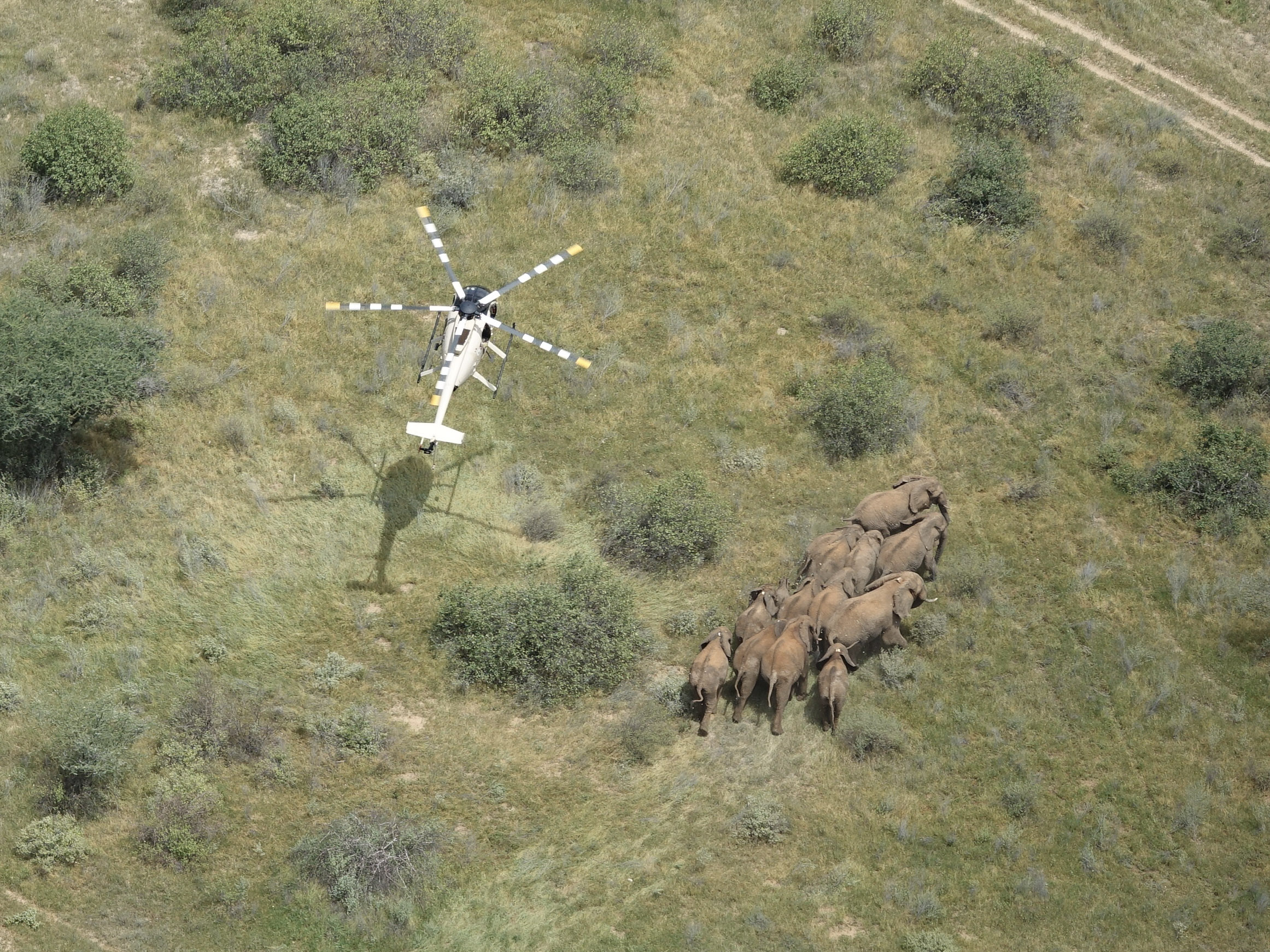
Africa’s elephants face an uncertain future. Both species, the critically endangered African forest elephant and the endangered African savannah elephant, have been declining across the continent, driven by poaching for ivory, habitat degradation, and the growing challenges of sharing land with people. Yet these keystone species are vital to the landscapes they inhabit, dispersing seeds, maintaining the mosaic of savannah and forest, supporting groundwater availability, and helping to store carbon.
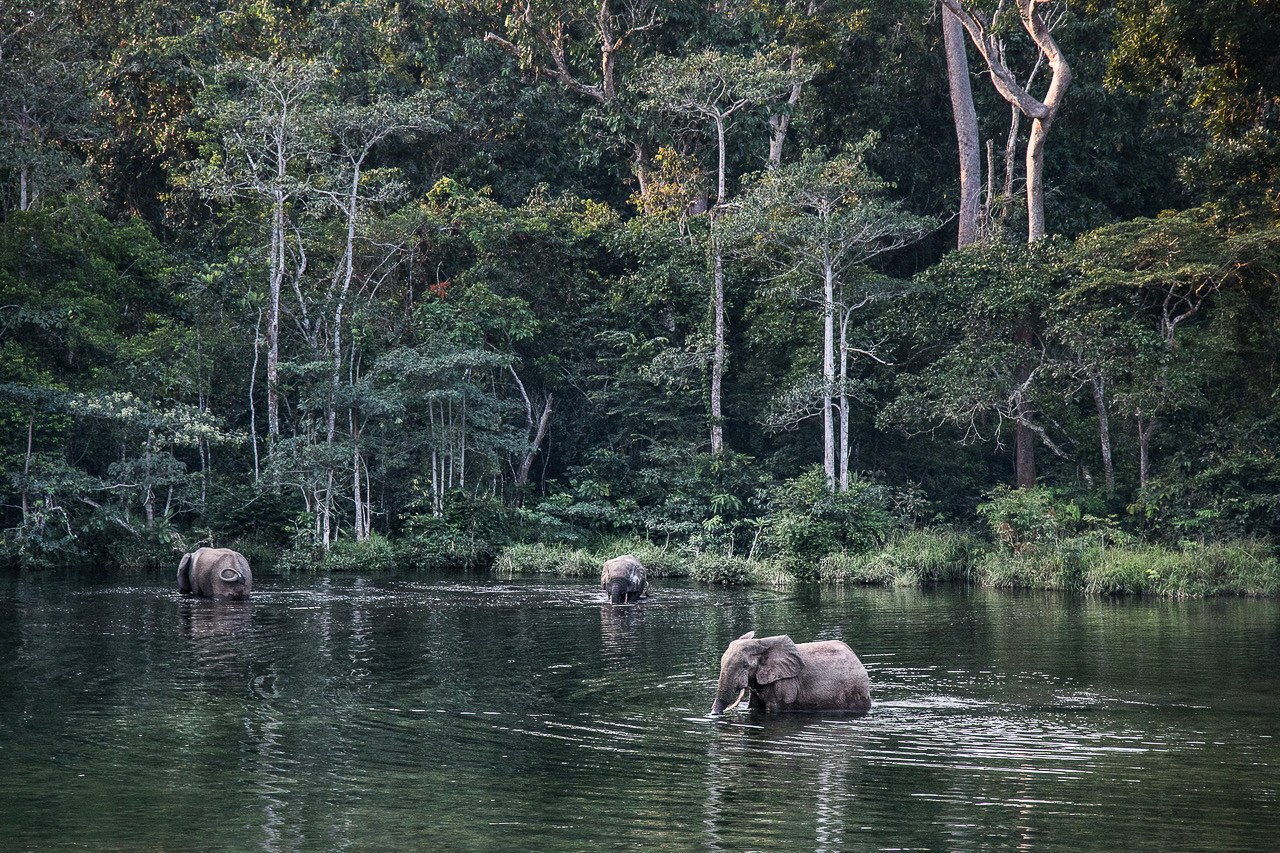
Protecting them depends on sound science shared across borders, which is why STE is part of the IUCN SSC African Elephant Specialist Group (AfESG). A global network of more than 95 technical experts, the AfESG is recognised as the leading authority on both African elephant species, generating science-led, data-driven assessments of their status and advising decision-makers on issues ranging from population monitoring and human-elephant conflict to transboundary conservation and the illegal ivory trade.
At the heart of this work is the African Elephant Database, the most complete compilation of elephant population data in existence, drawing on aerial and ground surveys from more than 400 sites in 37 range countries over more than three decades. Alongside it sit the African Elephant Library, a repository of elephant literature dating back to the early 1900s, and Pachyderm, the peer-reviewed journal published since 1983.
The AfESG has worked closely with CITES and the Convention on Migratory Species, supporting the development of the programme Monitoring the Illegal Killing of Elephants (MIKE) and the Elephant Trade Information System (ETIS). It also helps facilitate the Range States Dialogues, which build regional consensus on contentious elephant issues, and contributed technical input to the revised African Elephant Action Plan.
STE staff serve as members of the Specialist Group, contributing field data, research, and expertise drawn from decades of work in Kenya. Through this network, the knowledge gathered on the ground in Samburu and beyond feeds into the continental picture, helping to ensure that decisions about the future of Africa’s elephants rest on rigorous, independent science.