Counting elephants is one of the most important tools in conservation. Reliable counts reveal how a population is changing over time, and when combined with carcass data, they show how hard poaching is hitting it. These figures form the evidence on which conservation decisions are made, from where to deploy protection to how international policy responds.
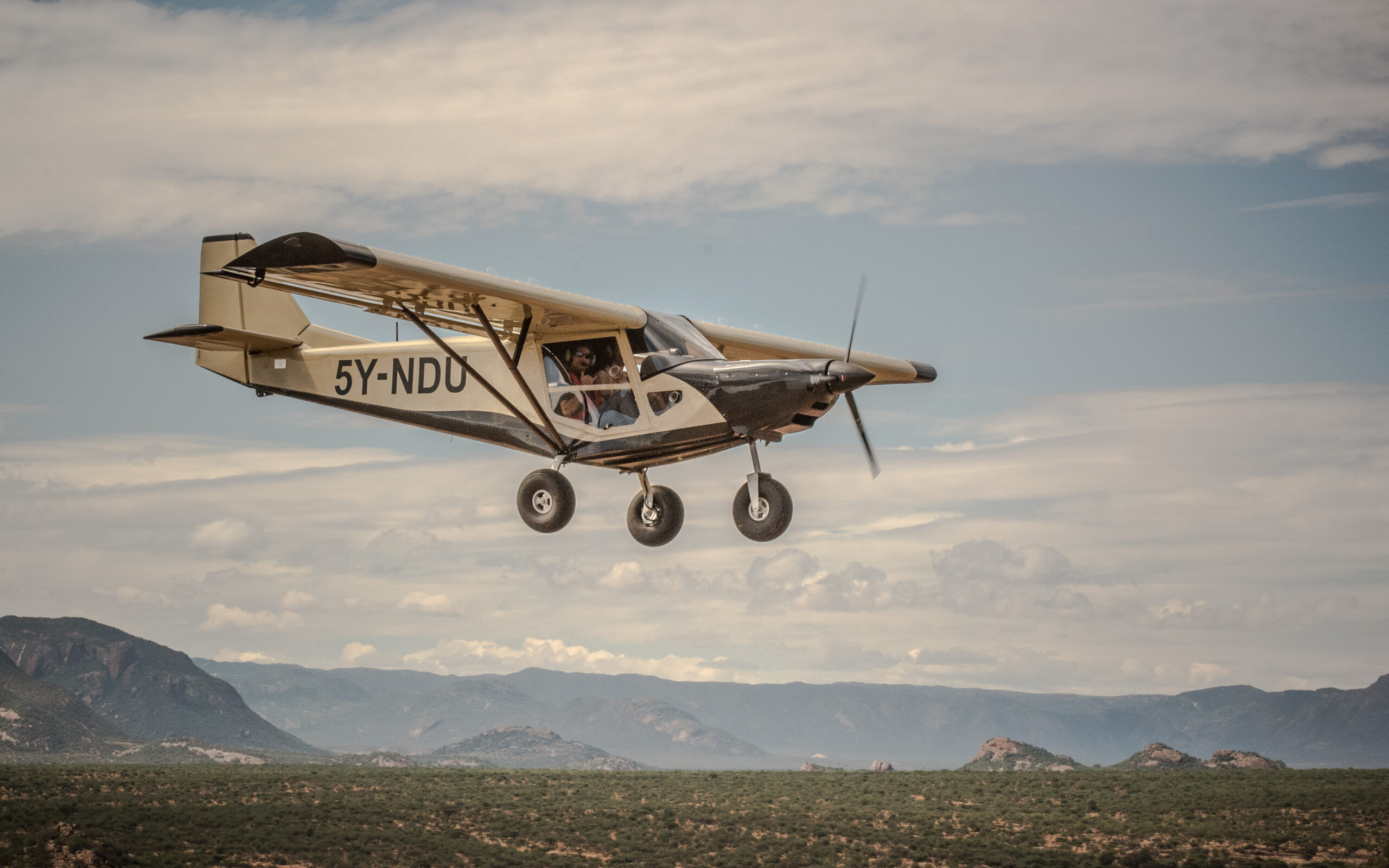
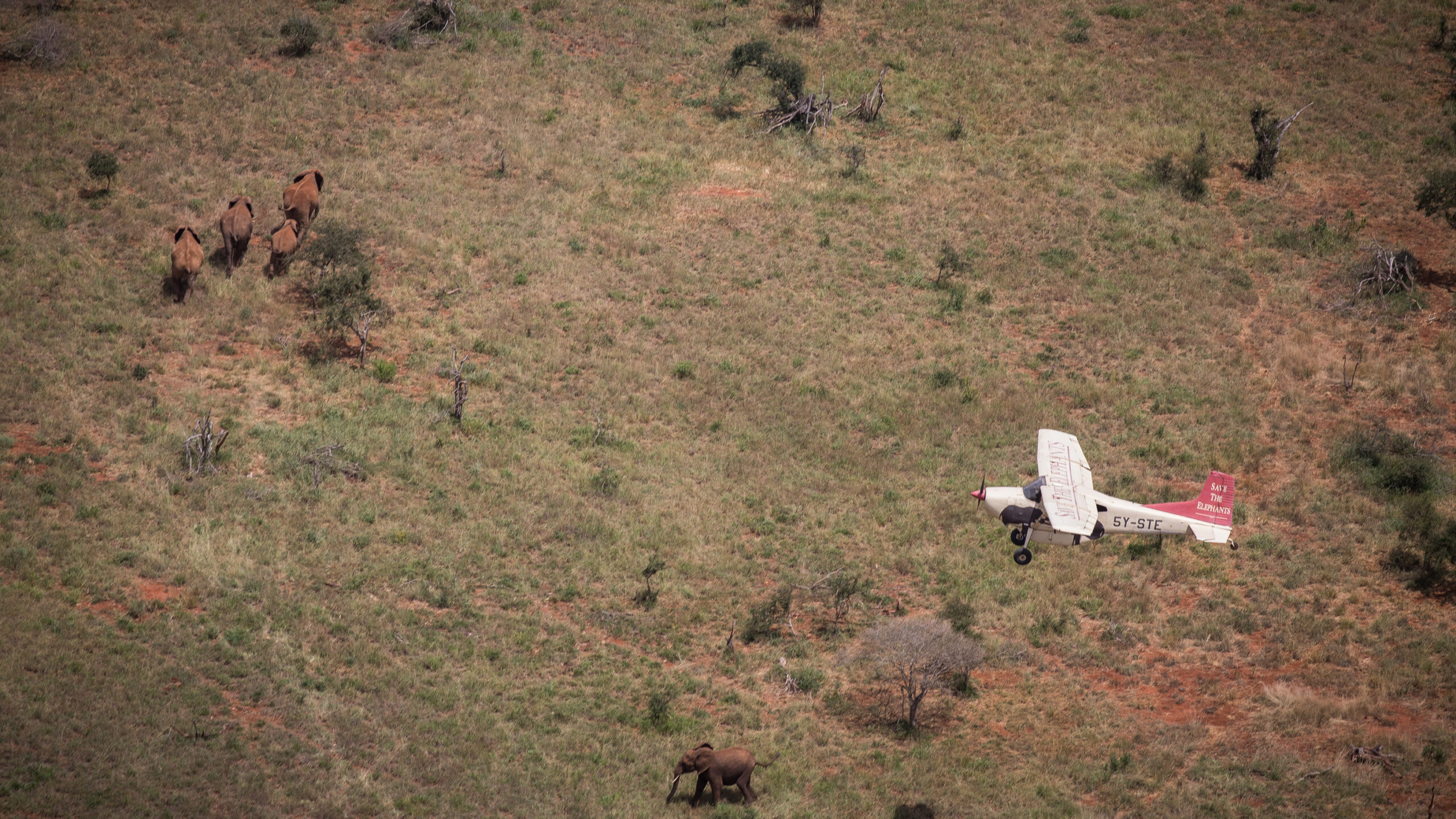
Elephants are, however, surprisingly difficult to count. They move across vast landscapes, gather in shifting groups, and can vanish into dense bush or across borders. Every published population figure is therefore an estimate, and its value depends on the rigour of the method behind it. STE has long specialised in this work, and our aircraft, pilots, and observers take part in coordinated aerial censuses with the Kenya Wildlife Service and partners across Kenya’s elephant ranges, using high-resolution cameras, tightly controlled flight speeds and heights, and careful management of observer fatigue to keep errors to a minimum.
Carcasses are as important to record as live elephants. The proportion of dead elephants to the total, known as the carcass ratio, is a key indicator of poaching pressure, revealing where across a landscape elephants are most at risk.
The power of this data has been proven before. In the 1970s, Iain Douglas-Hamilton led the first continent-wide survey of African elephants, estimating that at least 1.3 million lived across the continent. By the mid-1980s that number had halved, and the evidence helped bring about the 1989 international ban on ivory trade under CITES. When illegal killing surged again in the 2010s, the data was once more called upon, and STE served as an advisor to the Great Elephant Census, the Pan-African aerial census led by Dr Mike Chase of Elephants Without Borders.
Every count adds to a record that stretches back decades, and by keeping that record accurate, STE helps ensure that decisions about the future of elephants are grounded in evidence.