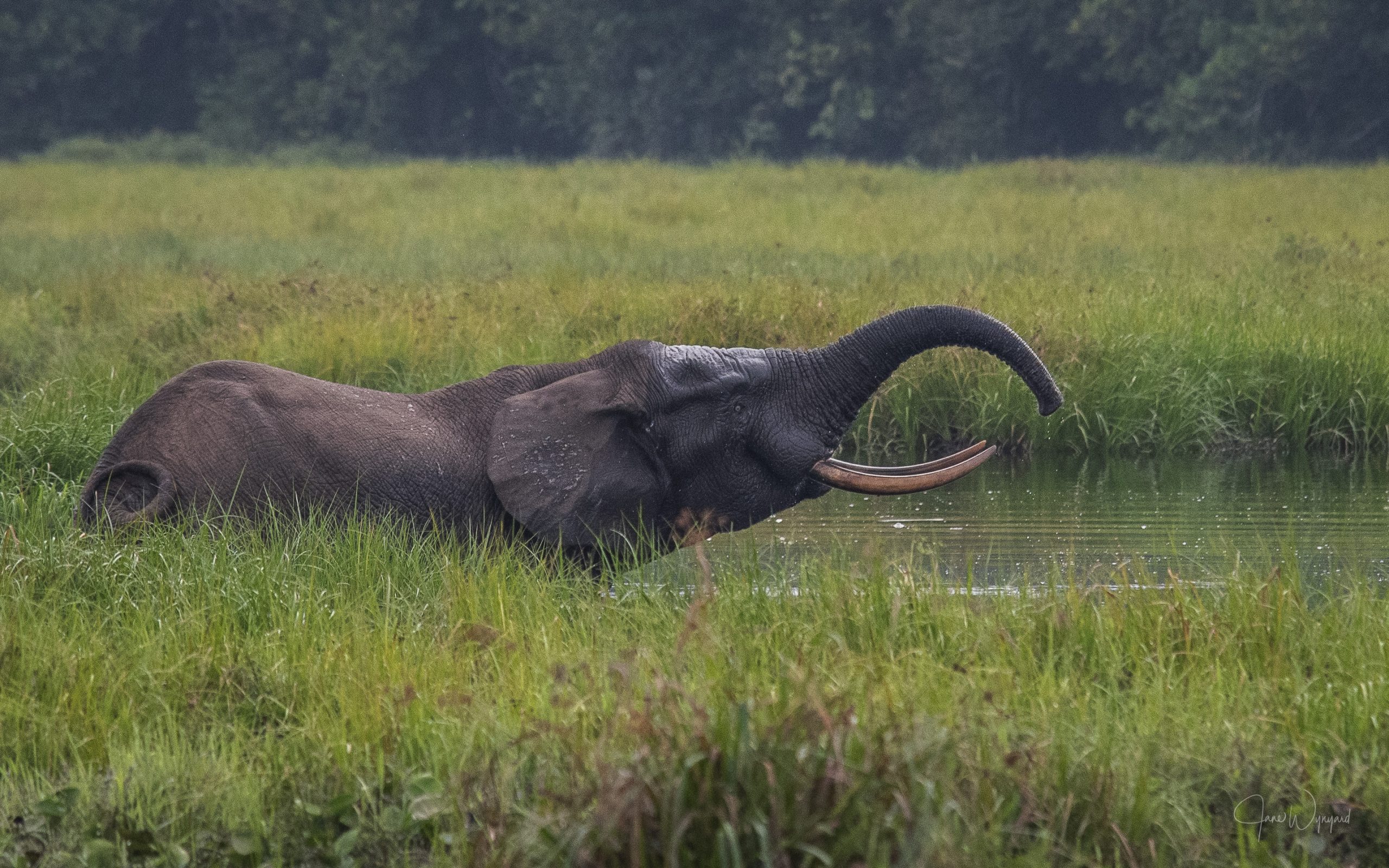
Every year, elephants across Kenya are orphaned by drought, conflict, and the loss of their mothers. Hand-rearing gives these calves a chance to survive, but returning them to the wild is a far greater challenge. To thrive, orphans must learn to find water, read the landscape, and avoid people, and above all be accepted by wild herds that can teach them how to live as elephants.
Rewilding aims to make that return possible, gradually and with as little human interaction as possible. Orphans are often first moved into protected areas where they can encounter wild elephants, explore new ground, and build the skills they will need beyond the fence. Whether they succeed depends on understanding how they move, who they spend time with, and how quickly their behaviour begins to mirror that of wild herds.
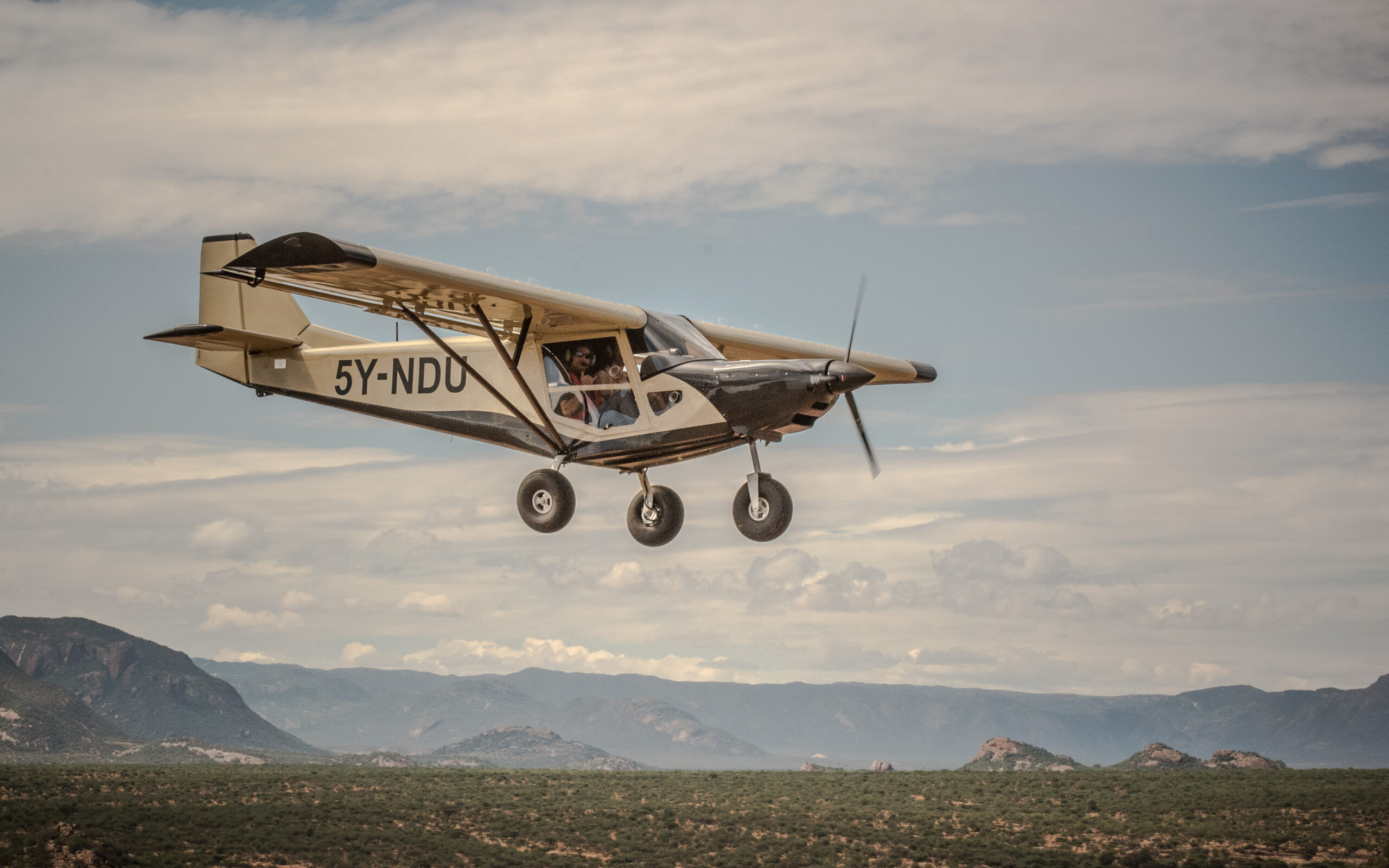
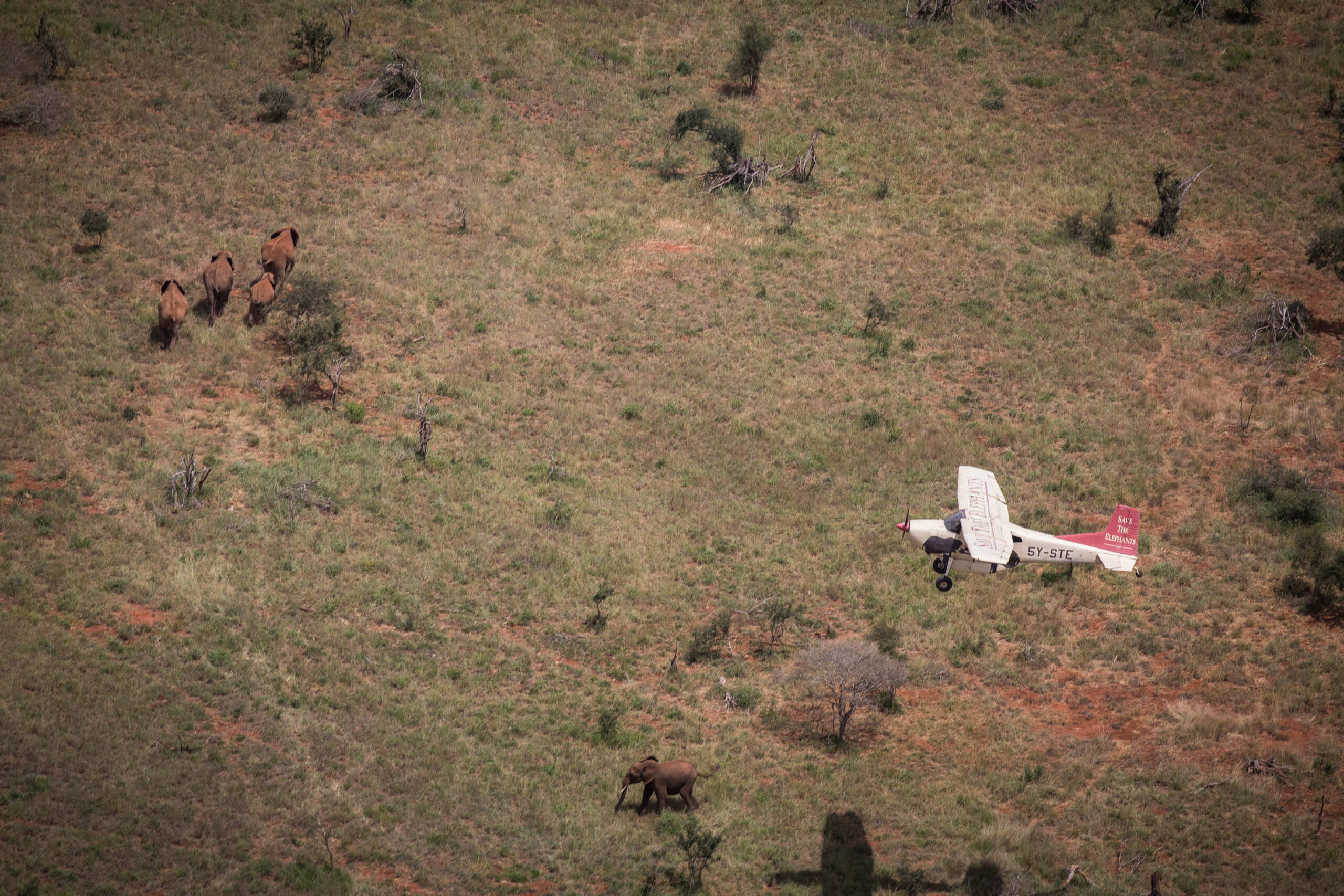
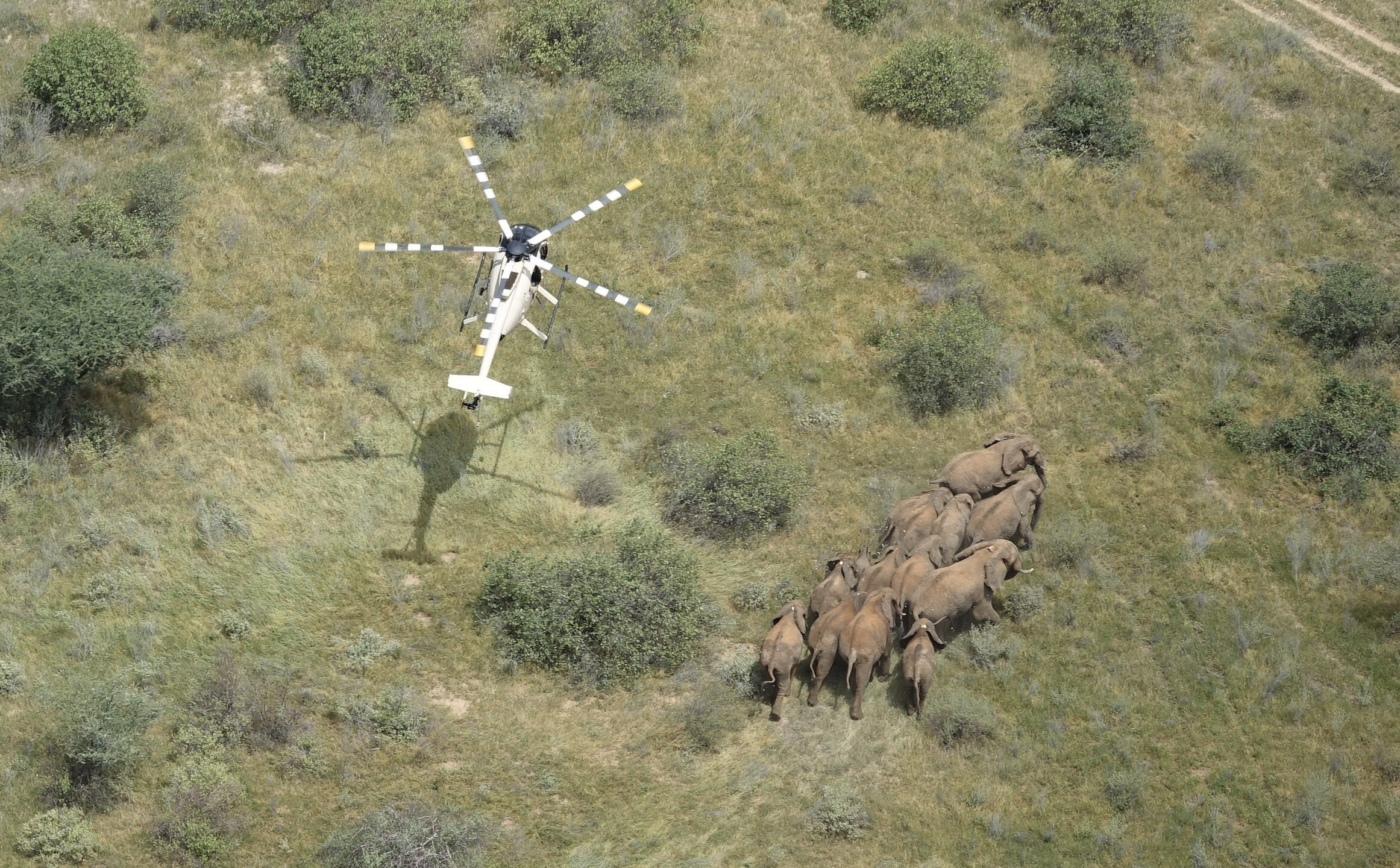
This is where STE’s decades of research come in. Using tracking collars, camera traps, drones, and local scouts, STE follows orphans through every stage of their transition, from their first steps in a new environment to their integration with wild elephants. The data reveals where they find water, how their ranges overlap with wild herds, and when they are ready for the next step. STE’s understanding of elephant behaviour also helps guide releases themselves, allowing herds to be moved with care and minimal disturbance.
Working alongside the Kenya Wildlife Service, sanctuaries, and conservation partners, STE has applied this approach in northern Kenya, where orphans from Reteti Elephant Sanctuary spent seven years preparing for life in the wild before walking free with the wild herd they had come to call family. Each release adds to a growing body of knowledge on how orphaned elephants can be returned to the landscapes they belong to, helping to shape future efforts across Africa.
Read the story of the Sera release here.