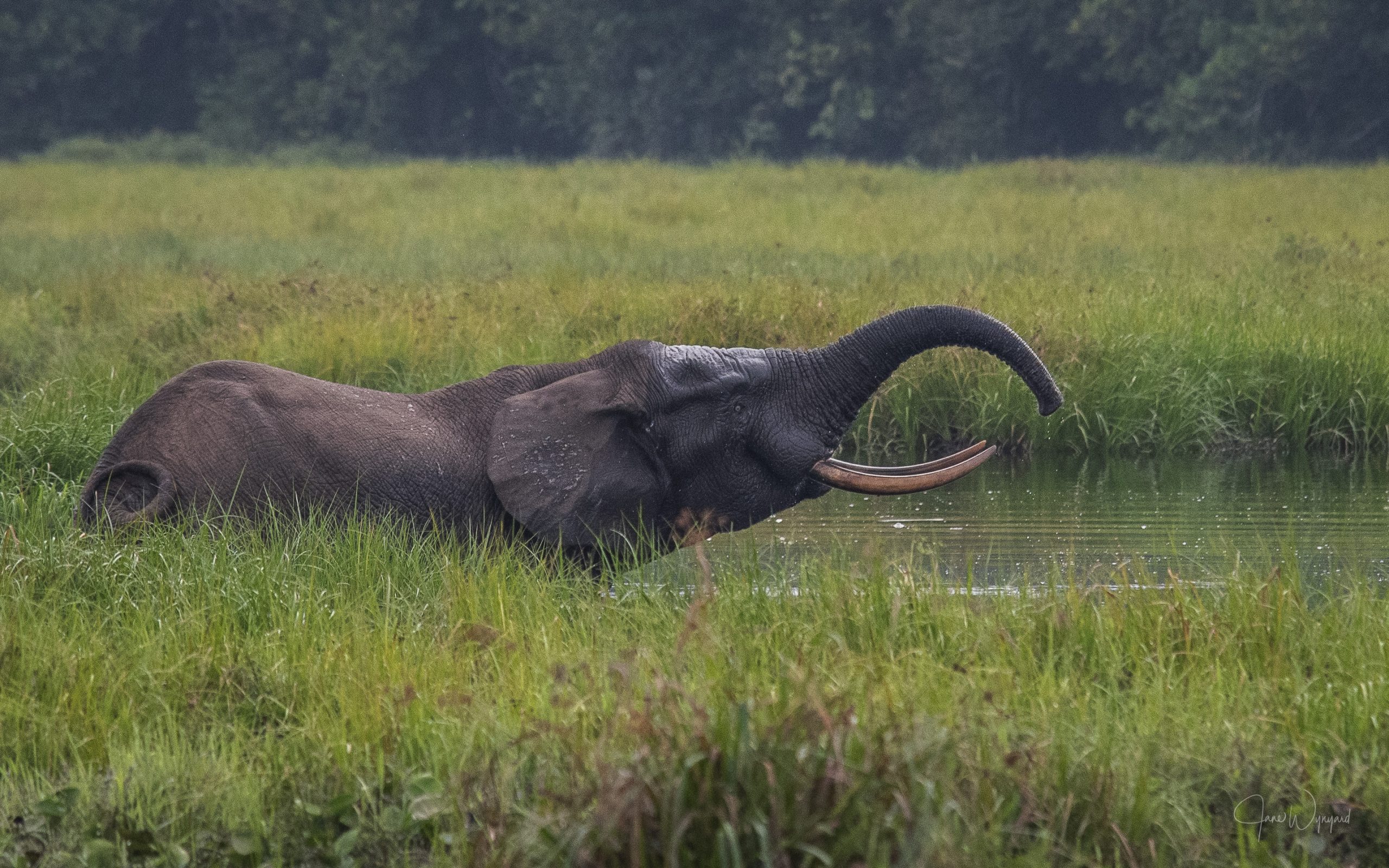
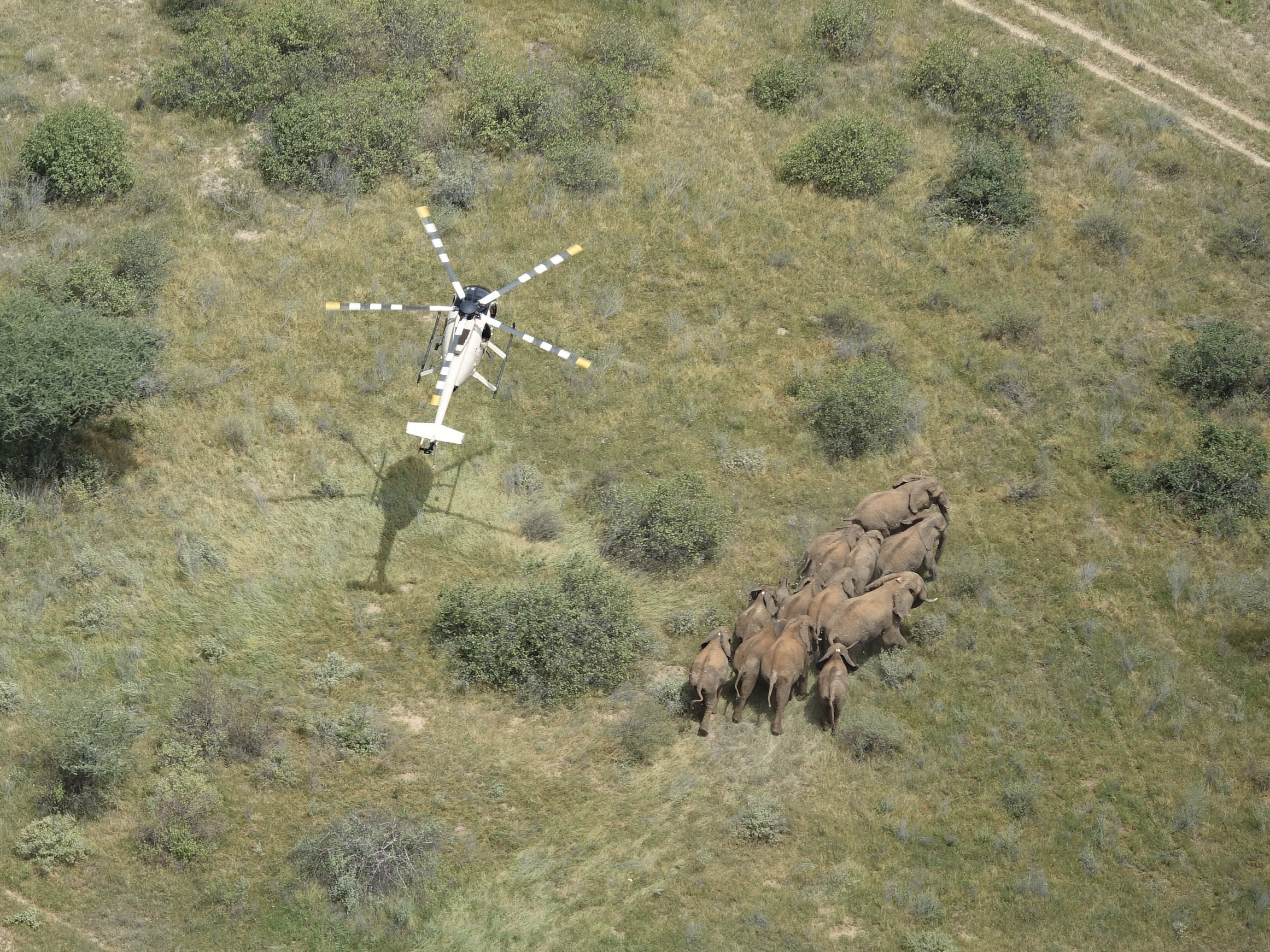
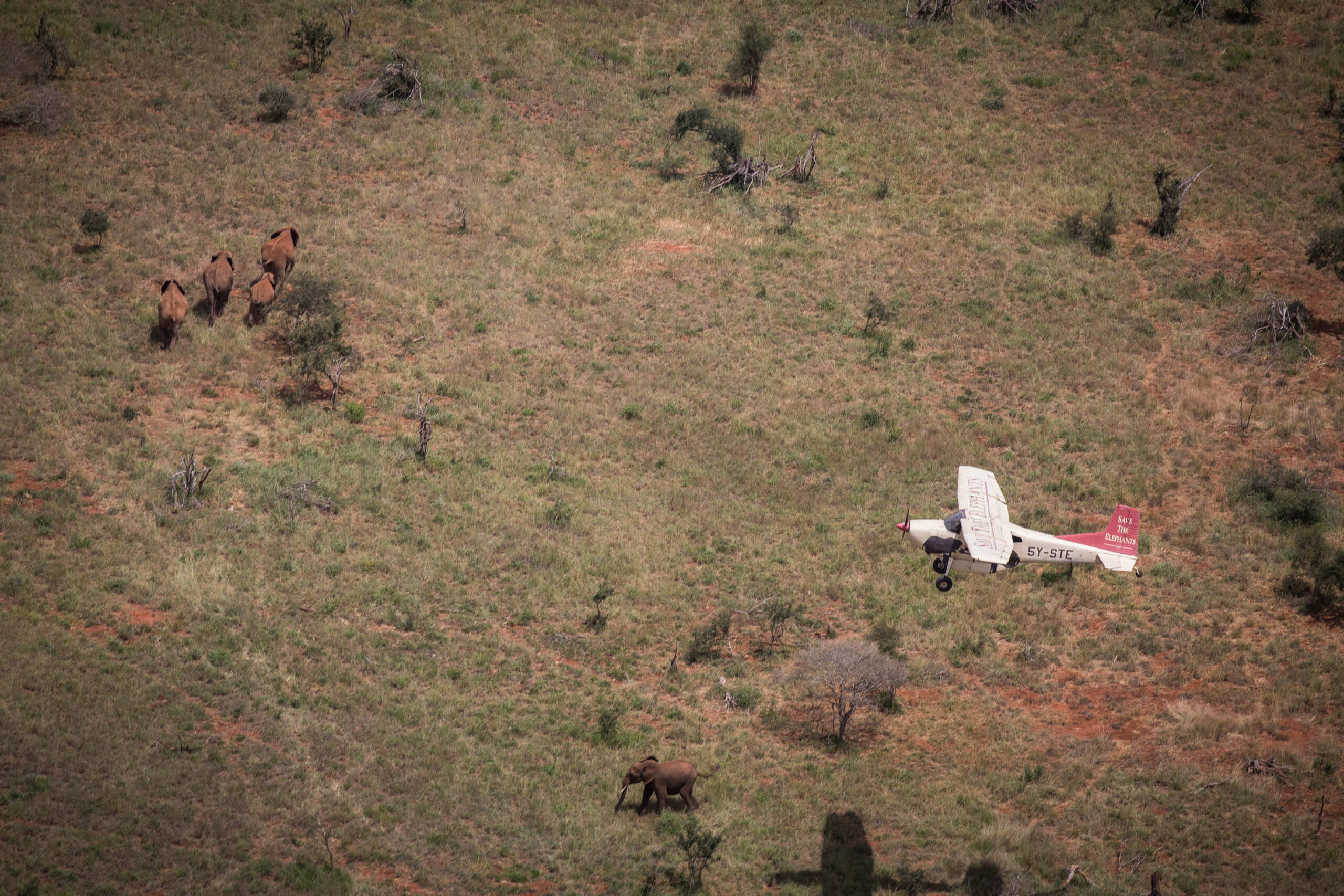
Every elephant in Samburu has a story, and for decades our field team has been recording it. The elephants of Samburu and Buffalo Springs National Reserves have become one of the most closely studied populations in the world, offering rare insight into how elephant society responds to poaching, drought, and a changing landscape.
Through STE’s Long Term Monitoring programme, each elephant is recognised by the shape of its ears and tusks and given a field code, recorded alongside a photograph or sketch. Long accustomed to vehicles, the elephants can be observed closely and quietly as they go about their lives.
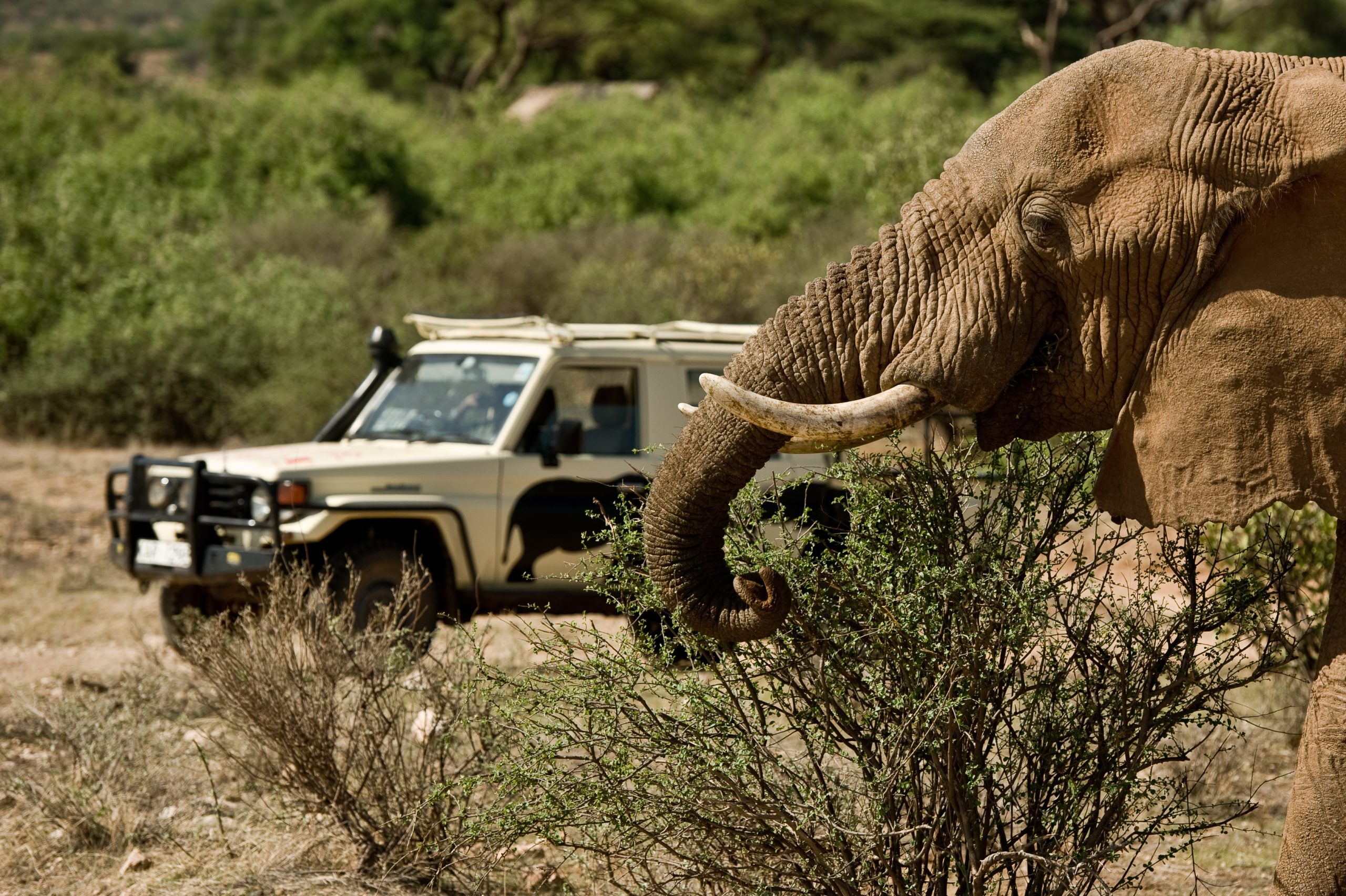
Every day, our team heads out into the reserves. Whenever a group is sighted, they note every member present, along with births, deaths, disappearances, oestrus, and musth, building a detailed account of each family across generations. Some elephants, particularly bulls and wide-ranging families, vanish from the records for months or years, but as soon as they return, their identification is updated with any new ear cuts or broken tusks.

These records feed into a database that reveals population dynamics, social structure, diet, seasonal movement, paternity, and causes of death, including illegal killing. Combined with GPS tracking data, they also show how elephants choose where to go, helping to identify the corridors and dispersal areas they depend on beyond protected land.
Understanding elephants as individuals is central to securing their future, guiding how they are protected and how people and elephants can share the landscape.