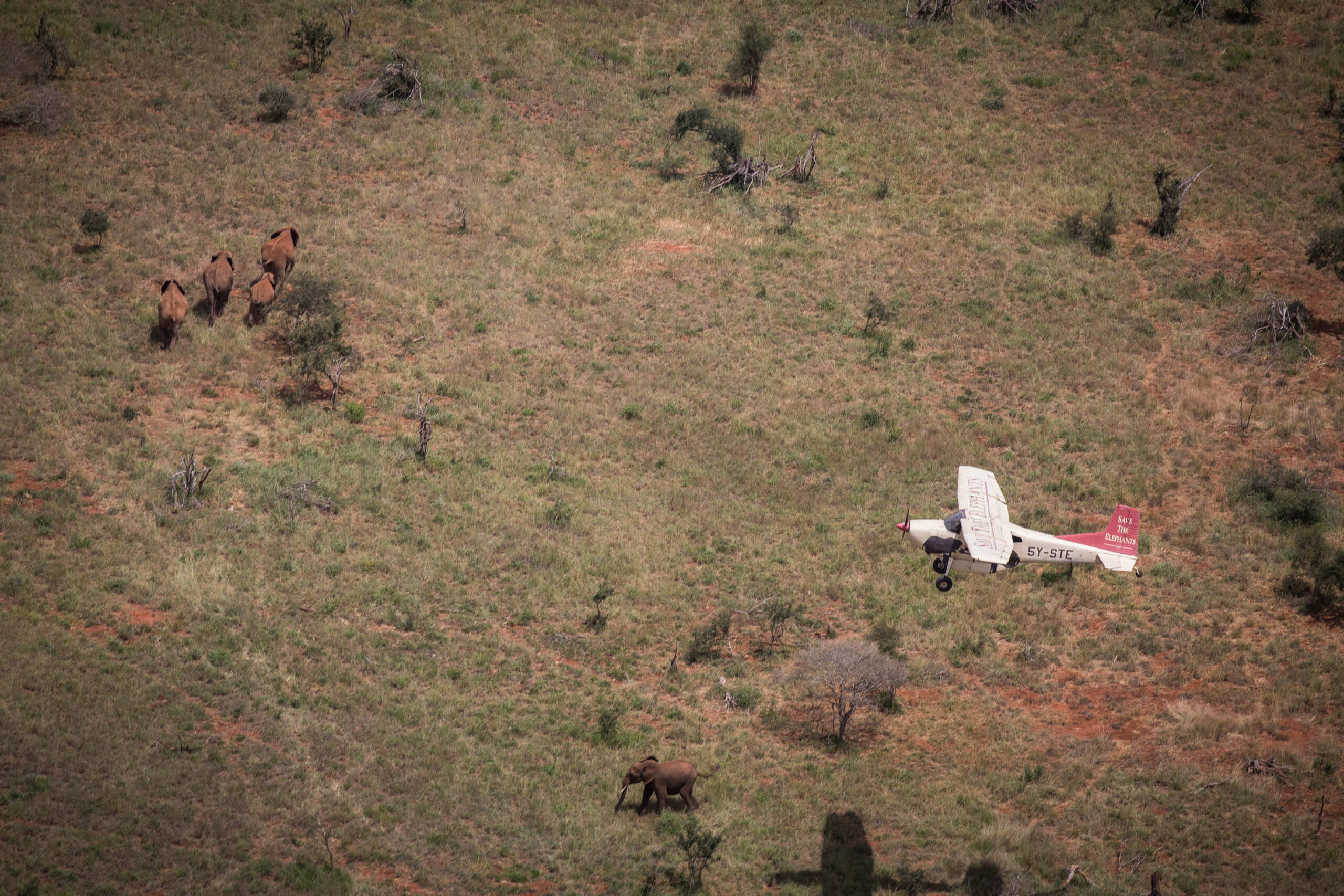
Tracking collars have transformed what is known about African elephants. Over the past few decades, an estimated 6,000 to 8,000 elephants have been collared across the continent, each one recording where an elephant feeds, rests, finds water, and crosses into new territory. Yet only around 2,000 of these tracks are currently accounted for. The rest remain scattered across institutions, archives, and hard drives, their insights largely unused.
STE’s Continental Tracking Initiative sets out to change this. By locating bringing together tracking data, the initiative aims to maximise the impact of every collar deployed and turn movement data into practical conservation action. Alongside this, STE works with protected areas and partners to strengthen how they analyse, visualise, and apply their own data, with collaborations now forming with several organizations to improve how that data informs research and management.
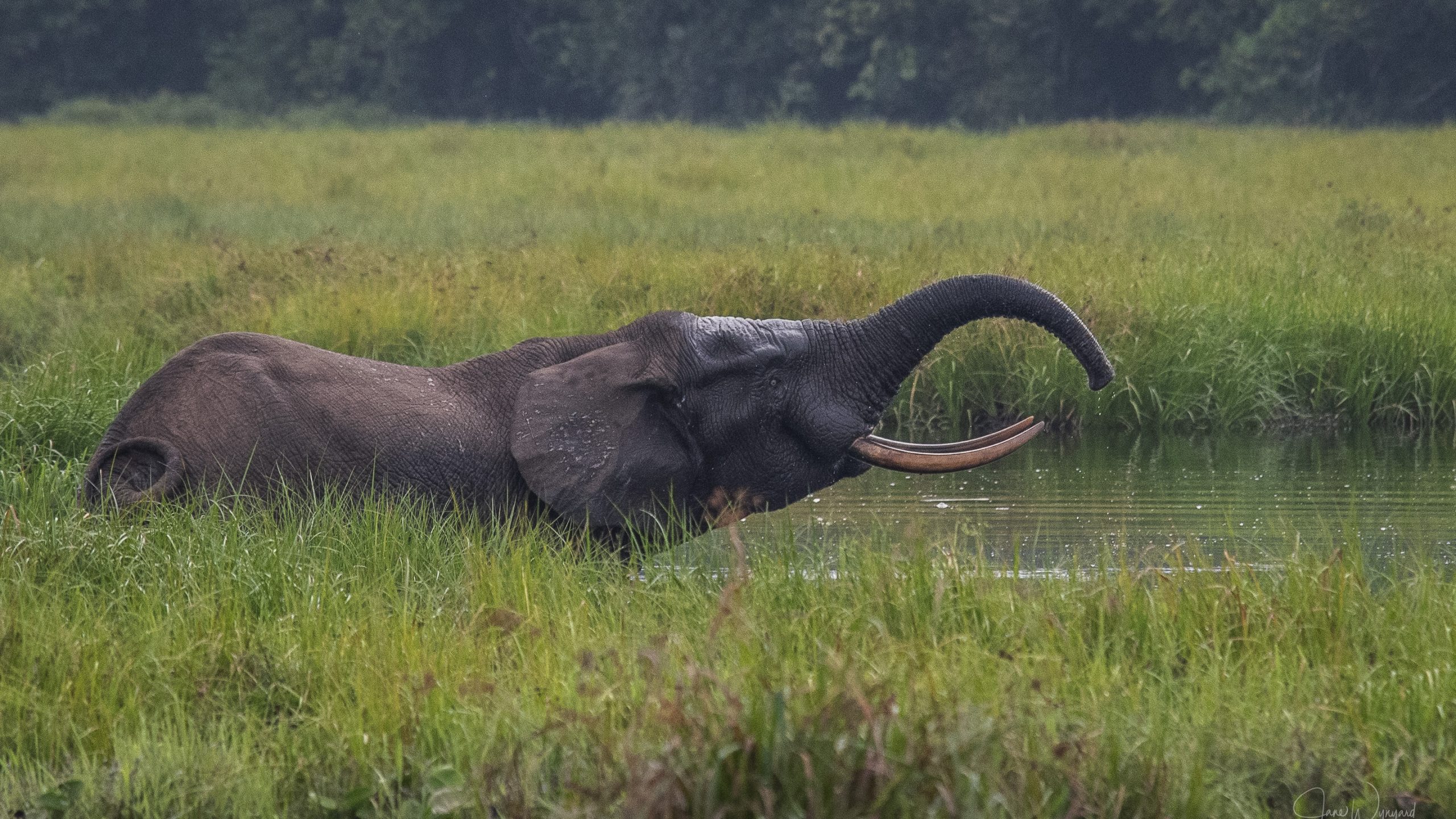
In the Central African Republic, STE is working with the World Wildlife Fund to understand how forest elephants, now classified as critically endangered, move across vast areas of rainforest and regularly cross international borders. Their survival depends on coordinated conservation between neighbouring countries and on the protection of bais, the forest clearings rich in minerals and nutrients that draw elephants from across the landscape. Without this protection, an already vulnerable population risks becoming increasingly fragmented.
From Nigeria and Cameroon to Mozambique, STE is also working with the Wildlife Conservation Society to understand how elephants respond to the human pressures reshaping their environment.
Together, these tracks reveal a continent where elephant landscapes are becoming more fragmented, but also where timely action can still safeguard the connections elephants need to thrive. With the support of partners and donors, STE is using these insights to help ensure that Africa’s elephants continue to move freely across the landscapes they depend on.